Tensions in Northern Kosovo continue to escalate as ethnic Serbs express growing concerns over the potential decline in their quality of life, a sentiment fueled by ongoing measures targeting Serbia-funded institutions. Adding to the strain, recent arrests by the Kosovo Police have sparked discontent, with many locals viewing these actions as politically motivated, according to the European Union Rule of Law Mission in Kosovo (EULEX).
This climate of unease formed part of the discussion at Wednesday’s regular United Nations Security Council session on Kosovo in New York, where UN Secretary-General António Guterres’s latest six-month report was presented.
The report, covering developments from March 16 to September 15, meticulously outlines events on the ground and progress—or lack thereof—in diplomatic dialogue.
Northern Kosovo’s fragile state took center stage, with the report warning of continued tensions and a looming risk of escalation. The head of the UN mission in Kosovo, UNMIK, echoed these concerns in her opening remarks, underscoring issues raised by Northern Kosovo residents in response to recent policies from Pristina, including the ban on the Serbian dinar and the shutdown of Serbian-run services like post offices and banks.
The report also includes an annex from the EU High Representative for Foreign Affairs and Security Policy, detailing the activities of EULEX in Kosovo.
Growing Resentment of the KP
EULEX has reported an escalation in resentment toward Kosovo Police following a series of high-profile arrests, perceived by many as politically motivated.
Particularly contentious were actions in August, including the temporary detention of two Serbian politicians opposing Kosovo government measures and the closing of nine postal branches on the northern side of the divided city of Mitrovica.
“Recent unilateral operations in August – like the closure of nine Serbian Post offices in northern Kosovo, the short apprehension of two Kosovo Serb politicians who protested against the Government of Kosovo’s measures and the Government’s declared resolve to reopen the Austerlitz bridge in Mitrovica for vehicle traffic – have further exacerbated resentments among Kosovo Serbs in northern Kosovo.”
Additionally, EULEX raised concerns over procedural irregularities, noting that some police operations, including raids on postal banks, were conducted without proper judicial authorization.
EULEX stated that the prosecutor’s office was only informed after these operations were underway, prompting criticism from international bodies. These unilateral actions, the EU’s external affairs office noted, further undermine dialogue efforts.
Challenges to Policing and Law Enforcement
EULEX has actively bolstered its presence in northern Kosovo since last year, following a mass resignation of nearly 600 Serbian officers from the Kosovo Police.
EULEX’s role includes advising and supporting local law enforcement to maintain order and ensure security.
“The Mission’s formed police unit and the EULEX Police Advisors North conducted regular patrolling activities to assess the security situation in northern Kosovo, notably around municipal buildings, common crossing points with Serbia, Kosovo police checkpoints, mixed- community neighbourhoods, cultural heritage sites and incident-specific locations. Particular attention was paid to institutions and buildings that had been closed down in the course of police operations aimed at dismantling some of the ‘parallel structures’.”
However, EULEX reports that access to timely information from the Kosovo Police has been inconsistent, limiting its ability to fully execute its mission under the Bratislava Agreement. This agreement, reached in June 2023, aimed to defuse tensions but has seen limited success in implementation.
Currency and Documentation Struggles
In another development affecting the Serbian community, Kosovo’s Central Bank introduced new currency regulations mandating the use of the euro, effectively barring the Serbian dinar.
“This triggered frustration, as Kosovo Serbs were forced to travel to Serbia in order to receive their salaries, pensions and other social benefits,” the report said.
Moreover, Kosovo has imposed restrictions on using Serbian-issued driver’s licenses, which has led to further logistical and economic burdens for the community.
Concerns over Cultural Heritage and Identity
Cultural and religious aspects of identity remain critical points of contention. In May, the Kosovo government denied a request by the Serbian Orthodox Patriarch to visit Peć’s Patriarchate, a significant spiritual site for Serbs.
This move, seen as an affront to religious freedoms, has drawn criticism from EULEX and other international observers.
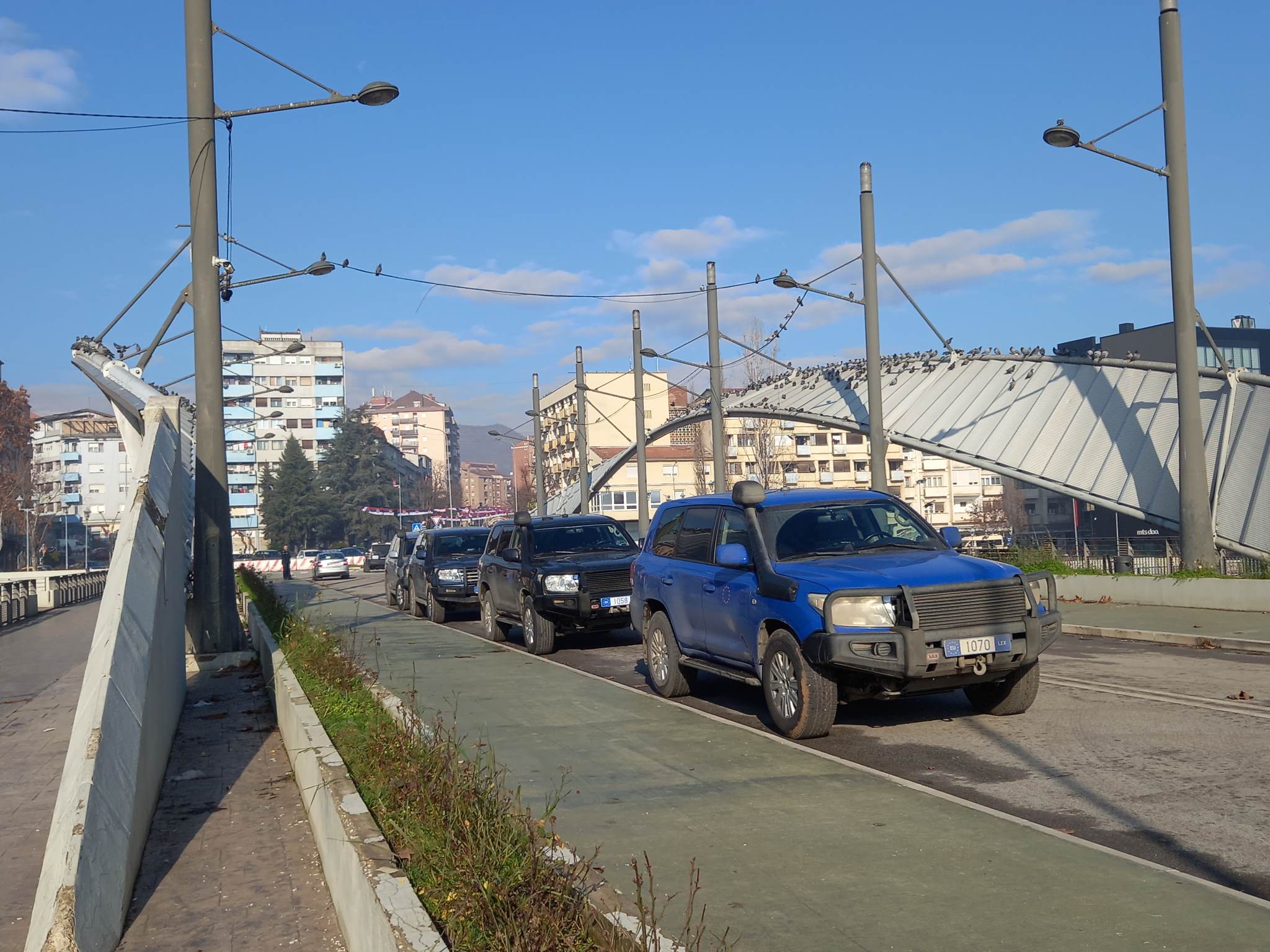
Meanwhile, tensions are also flaring over plans by Kosovo officials to open the Bridge in Mitrovica to vehicle traffic. The bridge has long served as a symbolic and physical divide between the Albanian and Serbian communities in the city.
EULEX and other international actors, including the U.S. and NATO’s KFOR mission, have voiced strong objections to this decision.
Judicial Observations and High-Profile Cases
A core part of EULEX’s mission involves overseeing judicial processes in Kosovo, including high-profile cases such as the murder of prominent Serbian politician Oliver Ivanović.
EULEX’s monitoring of the protracted proceedings, which have seen frequent delays and retrials, underscores ongoing challenges within Kosovo’s judiciary.
“The prominent Oliver Ivanović murder case, monitored by the Mission from the beginning and characterized by numerous delays and unproductive or cancelled hearings, concluded in June. Guilty verdicts were issued for four of the six defendants, six years after the crime had been committed and three and a half years after the indictment was filed,” they added.
Unresolved Disappearances
Efforts to address the issue of missing persons from the Kosovo War remain ongoing.
EULEX’s forensic team has made progress, conducting multiple exhumations and identifying several missing individuals.
These activities, coordinated with the International Committee of the Red Cross, aim to foster cooperation between Belgrade and Pristina.
Recent technical agreements with Kosovo’s Forensic Institute highlight a continued commitment to this sensitive area.
Media Claims About Violence and Mistreatment of Kosovo Serb Detainees Marked As Unfounded
EULEX reviewed treatment of Serbian and high-profile Albanian detainees in Kosovo prisons, finding media claims of violence against Serbs unfounded. They noted procedural issues, such as placing detainees in segregation without court orders and the shortage of Serbian-speaking staff, which impedes communication.
However, claims that detainees lacked access to healthcare were also deemed unfounded.
EULEX highlighted slow progress in addressing high-profile cases, judicial scheduling issues, and corruption, specifically within healthcare, gender-based violence, journalist protections, property rights, and juvenile justice.
Their upcoming reports in October will include assessments of procedural improvements and prison conditions from detention to release.
EULEX Accused of Bias
However, EULEX continues to face allegations of bias, with northern Kosovo NGOs recently suspending cooperation with the mission over the alleged mistreatment of a local Serb, Miloš Subotić, who was detained and reportedly assaulted by several Kosovo Police members.
During the Vidovdan celebration at Gazimestan on June 28, EULEX reported no incidents, prompting criticism from members of the Serbian Democracy party.
They argued that EULEX overlooked mistreatment of Serbs, including allegations of Serbian symbols being confiscated and attendees being asked to remove clothing displaying national symbols, while Kosovar Albanians were allowed to display their own symbols.
Party leader Aleksandar Arsenijević accused EULEX of bias and inconsistency in enforcement.
The members of this party staged a protest on Tuesday at the gates of the EULEX mission base in South Mitrovica. They plastered the gates with posters accusing the EU rule of law mission of serving the interests of the ruling party in Pristina.
Arsenijević was subsequently questioned by police as a suspect for disturbing public order.
Preuzimanje i objavljivanje tekstova sa portala KoSSev nije dozvoljeno bez navođenja izvora. Hvala na poštovanju etike novinarske profesije.