As Kosovo gears up for its parliamentary elections scheduled for February 9, 2025, political tensions are mounting, particularly in the northern municipalities. Opposition parties accuse Prime Minister Albin Kurti of exploiting the North for electoral gain, while Serbian officials echo concerns that Kosovo’s ruling party is intensifying pressure on the region’s Serb minority.
Election Context: A First Full-Term Government
Kosovo’s current government, led by Kurti’s Self-Determination Movement (Vetëvendosje), is the first administration since 2008 to serve a full four-year term.
President Vjosa Osmani formally announced the February 9th as the election date, signaling the official start of campaigning post-New Year.
Yet, political observers argue the campaign has been underway for months, marked by contentious policies and escalated rhetoric.
Opposition Mobilizes
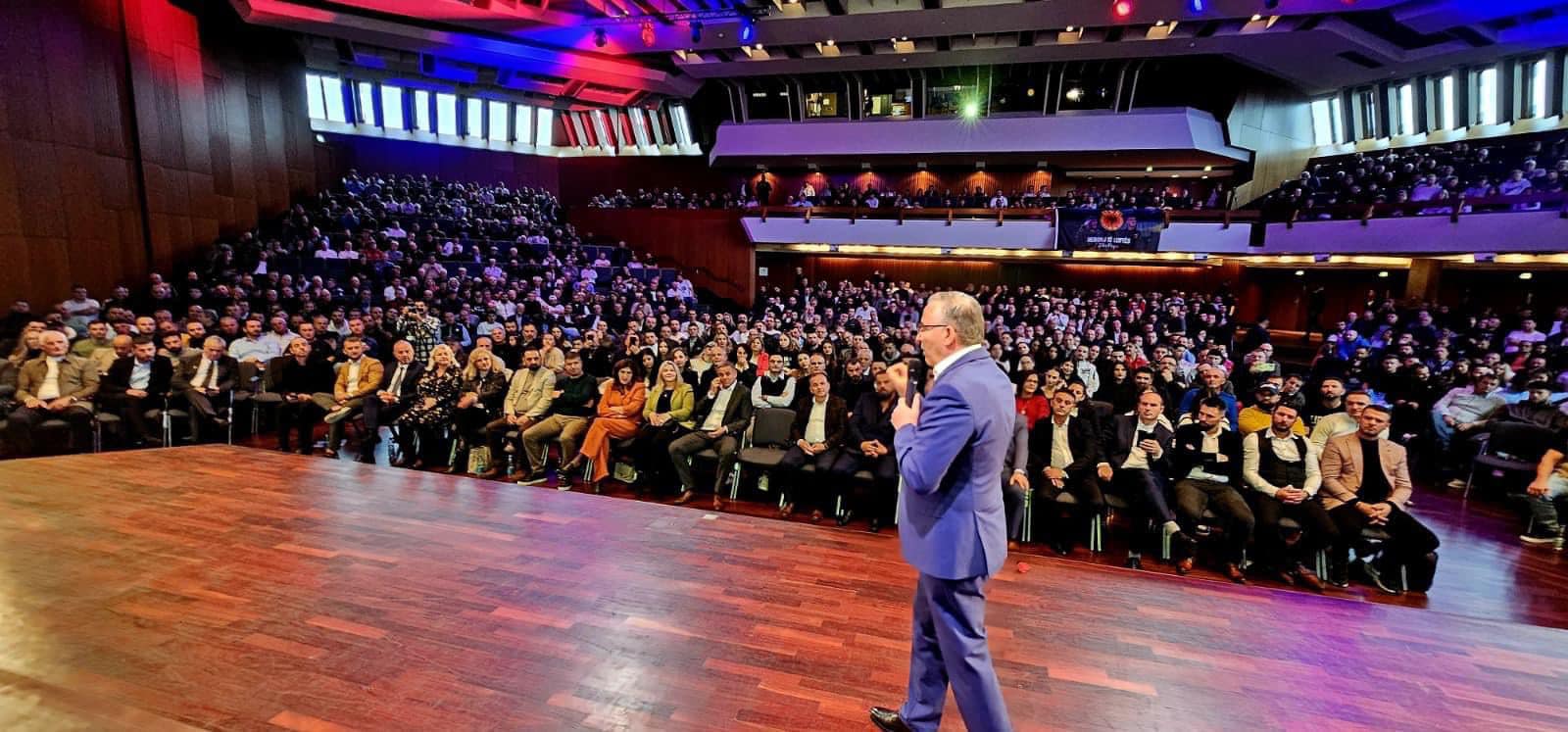
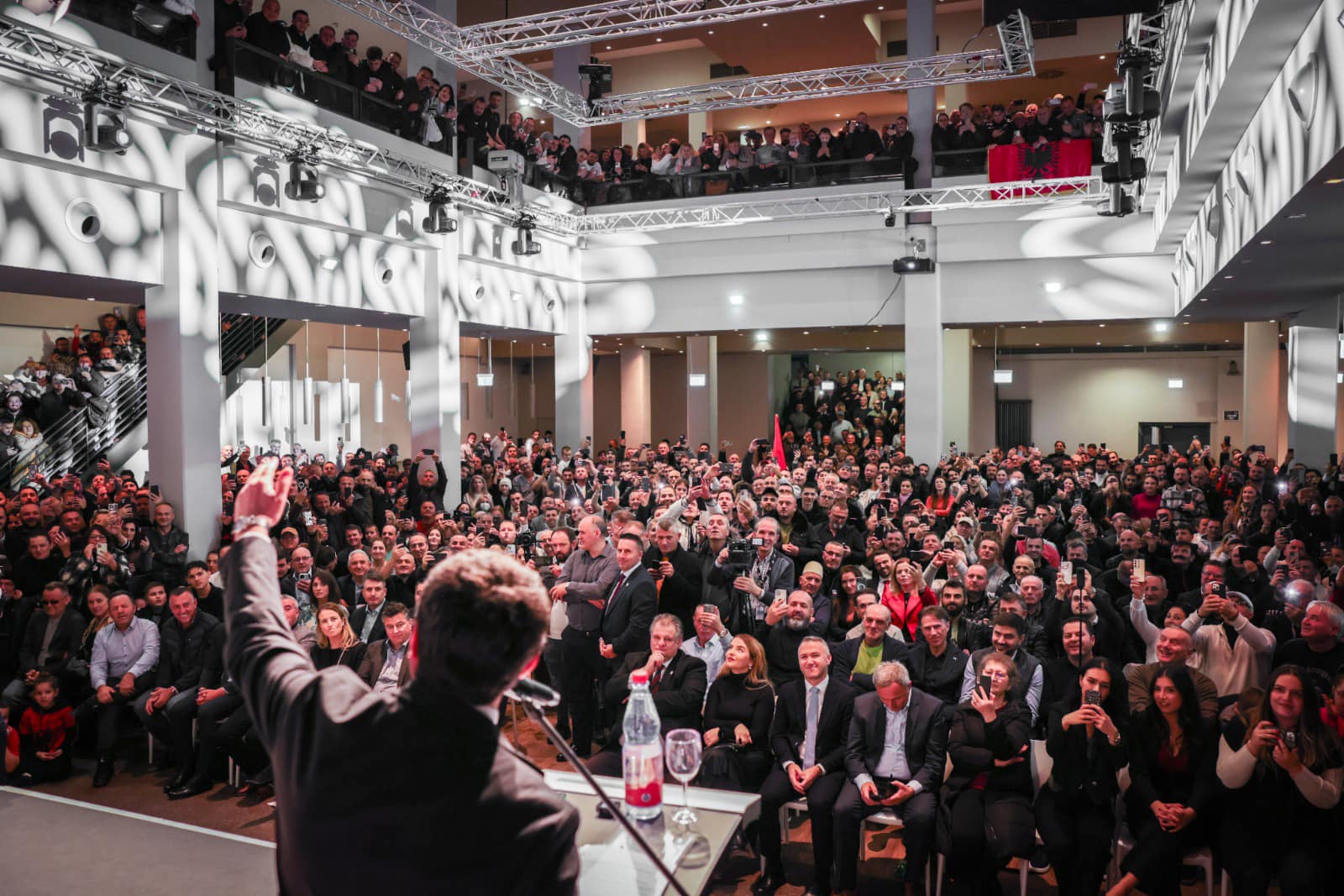
Kosovo’s opposition parties, including the Democratic League of Kosovo (LDK), Alliance for the Future of Kosovo (AAK), and Democratic Party of Kosovo (PDK), appear to have begun their campaigns as early as August.
Their leaders, such as Ramush Haradinaj (AAK) and Lumir Abdixhiku (LDK), have been presenting ambitious programs under slogans like „Turn of Change“ and „Kosovo Can Do Better.“
These campaigns have taken them from local communities to diaspora hubs in Europe.
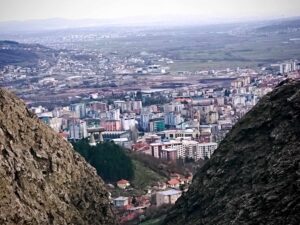
PDK’s Bedri Hamza, a leading candidate of the party for prime minister and mayor of South Mitrovica, has focused on economic growth and governance, contrasting Kurti’s North-centric policies.


The North as a Campaign Battleground
Kurti’s administration has placed a spotlight on the North, framing its initiatives as acts of sovereignty. Critics, however, argue these are provocations aimed at consolidating support among ethnic Albanians. Key moves include:
– Resisting EU proposals: Kurti has repeatedly rejected the formation of the Association of Serb-Majority Municipalities (ASM), labeling it as an internal issue, not an international one.
– Economic shifts: Recent months have seen the opening of Albanian-owned businesses in North Mitrovica, often viewed by local Serbs as symbols of imposed dominance.
– Infrastructure projects: The administration revived discussions on reopening the main Ibar bridge, a symbolic and strategic site, despite opposition from international actors like the Quint states, EU and NATO.
The elections are set against a backdrop of strained relations with the EU and international stakeholders. Kosovo’s recent admission as an equal member of CEFTA, albeit with German mediation, illustrates both progress and persistent challenges. Meanwhile, Serbia remains wary of Kosovo’s growing autonomy within regional frameworks.
Serbian Concerns
From Belgrade’s perspective, these actions signify escalating tensions. Serbian Prime Minister Miloš Vučević and Petar Petković, head of the Serbian government’s Office for Kosovo, have voiced fears that the Kosovo government’s next steps could target Serbian institutions like education and healthcare.
Vučević described Kurti’s policies as having „a target on the North.“
Local Perspectives
Zoran Savić, from the NGO Aktiv in North Mitrovica, criticized the government’s approach, accusing it of treating the region as „conquered territory“ while marginalizing its Serb population.
He cited measures like restricting the use of the Serbian dinar, closing Serbian institutions, and deploying police as „political tools.“
Savić warned that such actions deepen mistrust and isolation, noting that the government’s rhetoric often dehumanizes the Serbian community. He called for greater international intervention to ensure fair governance.
Preuzimanje i objavljivanje tekstova sa portala KoSSev nije dozvoljeno bez navođenja izvora. Hvala na poštovanju etike novinarske profesije.