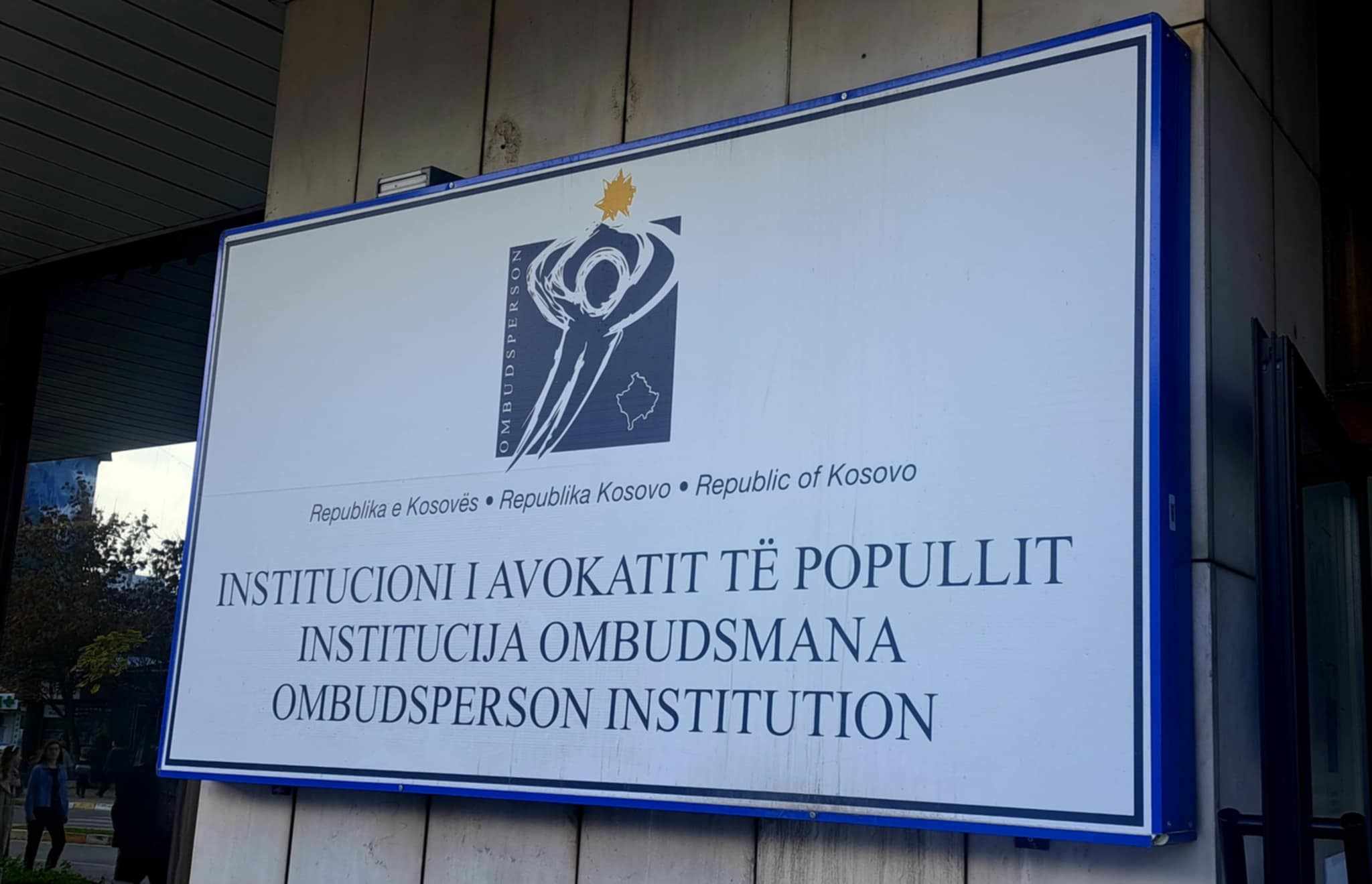
The Office of the Kosovo Ombudsman has concluded that the suspension of child benefit payments to numerous families, predominantly from the Serbian community, constitutes a violation of rights and ethnic discrimination. Following an investigation triggered by over 200 citizen complaints, the Ombudsman has recommended the Ministry of Finance retroactively compensate all unpaid benefits and publish clear decisions regarding the verification process.
The problem first surfaced in late 2024, when many families—including from northern Kosovo—reported receiving emails from the Ministry of Finance requesting documentation to verify their residency in Kosovo. The verification process was ostensibly aimed at confirming whether families were still eligible for child benefits.
Citizens were instructed to visit social work centers and subsequently Kosovo Post to submit documentation. However, despite fulfilling these requirements, many families stated they continued to receive no payments, without explanation or formal decision notices.
Earlier this year, some parents received follow-up emails declaring their documents invalid and instructing them to contact the Kosovo Agency of Statistics (KAS). Parents complied, yet still saw no progress in restoring payments.
The issue prompted the formation of an informal parents’ group in northern Kosovo, which began documenting cases of benefit suspensions. A surge of complaints—mostly from ethnic Serbs—also reached the Ombudsman’s office, which opened an inquiry in April.
Deputy Ombudsman Srđan Sentić confirmed to KoSSev at the time that the office had formally approached the Ministry of Finance to clarify the situation, promising that recommendations would soon follow.
One month later, the Ombudsman issued an official statement confirming it had submitted a set of recommendations to the Ministry. These included demands to:
• Publicly release all decisions, instructions, and eligibility conditions related to the document verification process in both official languages (Albanian and Serbian).
• Find appropriate methods to verify whether citizens are eligible for child benefit payments.
• Retroactively pay all outstanding child benefit installments to eligible families once verification is complete.
The Ombudsman noted that the affected families had received child benefits from September 2021 until December 2024. The Ministry’s Department for Social Schemes began requesting verification between August and December 2024. Despite citizens’ compliance through official channels, payments remained suspended with no follow-up documentation or justification provided.
The investigation also revealed that many parents were referred to the Kosovo Agency of Statistics after their school certificates and vaccination records were rejected. These documents, typically issued by institutions operating under the Serbian system in Kosovo, were reportedly not recognized by the Kosovo authorities—though the Ombudsman’s office did not clarify which specific institutions were excluded.
The Ombudsman also highlighted the Ministry’s lack of transparency and failure to share internal decisions, including an October 31, 2024 directive concerning documentation review that had not been publicly disclosed.
“Such documents, including the directive which outlines the review process but fails to specify the additional documents requested via email, were not made available to the Ombudsman’s office,” the statement read.
Though the Ombudsman acknowledged that the Ministry may not have intended to violate citizens’ rights, it concluded that the verification process breached administrative procedures and undermined the rule of law.
“The cascading effects of these actions disproportionately harmed children from the Serbian community, placing them in an unequal and disadvantaged position,” the Ombudsman stated. “This effectively amounts to discrimination based on ethnic affiliation.”
Preuzimanje i objavljivanje tekstova sa portala KoSSev nije dozvoljeno bez navođenja izvora. Hvala na poštovanju etike novinarske profesije.