The year 2024 witnessed the dismantling of the remaining Serbian institutions in northern Kosovo. However, the intensity of actions taken by Kosovo authorities in this region overshadowed the early-year announcement that seven provisional bodies had been shut down south of the Ibar River.
Who now recalls the January 26 promise made by the Kosovo Minister of Internal Affairs, declaring that the embassy would be the only remaining symbol of Serbia in Kosovo?
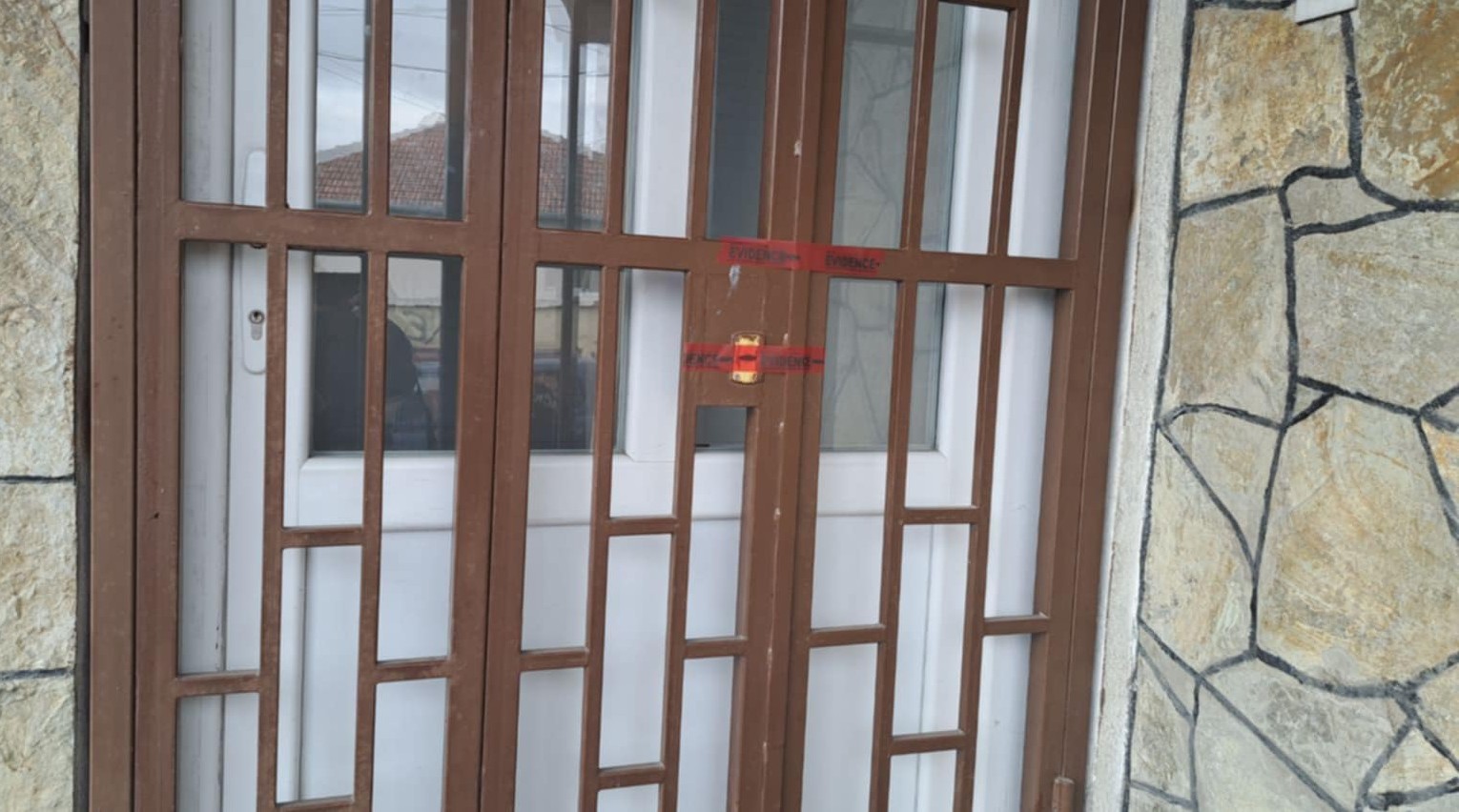
The outcome: At least 59 Serbian institutions and services were closed throughout Kosovo during operations conducted by the Kosovo Police.
A Gradual Erosion of Serbian Presence
Kosovo authorities have intensified efforts to eliminate what they term „parallel structures.“ This culminated in coordinated police actions targeting Serbian institutions, ranging from local administrative bodies to postal services and centers for social work.
A total of 19 Serbian services were closed today. These included 10 provisional municipal offices and several branches of the Serbian Post in areas such as Lipljan, Obilic, Pristina, Kosovo Polje, Vucitrn, and others.
Notably, many of these offices operated in exile, relocated to Serb-majority areas after losing control of their original premises.
Kosovo’s Interior Minister Xhelal Sveçla described the closures as a step toward ending Serbia’s „parallel municipalities and criminal institutions“ on Kosovo’s territory.
A Decade of Disintegration
Back in 2013, the Serbian government dissolved municipal assemblies in Kosovo despite opposition from the Serbian Constitutional Court.
These assemblies were replaced by provisional bodies, which functioned without formal elections, violating legal provisions.
Over the years, these bodies served as symbolic representations of Serbian authority in Kosovo. By February 2018, Serbia’s then-Minister of Public Administration and Local Self-Government, Branko Ružić, stated that 29 provisional bodies helped maintain Serbian constitutional order and ensured the security of Serbs in Kosovo. Today, only eight of these entities remain operational.
A Wave of Closures in 2024
The closures began subtly in 2022, with the takeover of municipal properties in Strpce. By mid-2023, the process had gained momentum, with municipal institutions in northern Kosovo being dismantled.
In 2024, the closures intensified: banks, treasury offices, urban planning directorates, public utilities, post offices, gas stations… In December, urban planning and housing directorates were shut down in North Mitrovica, and several Serbian institutions were sealed off. Earlier that year, Serbian currency transactions were banned, and vehicles were required to switch from Serbian to Kosovo plates.
The economic impact has been compounded by restrictions on Serbian goods entering Kosovo, which lasted over a year despite violating the CEFTA trade agreement. While the ban was partially lifted in October 2024, Kosovo secured full CEFTA membership as a trade-off.
The closure of Serbian institutions has left tens of thousands of Serbs in northern Kosovo without their physical workspaces and uncertain about their future.
For years, these institutions provided jobs and a sense of continuity for the Serbian population in Kosovo.
With Kosovo’s parliamentary elections set for February 9, 2025, the ruling Vetëvendosje party expects to solidify its mandate, announcing that it is set to secure up to half a million votes.
Preuzimanje i objavljivanje tekstova sa portala KoSSev nije dozvoljeno bez navođenja izvora. Hvala na poštovanju etike novinarske profesije.