FOTO: KFOR
On this day 26 years ago, NATO troops entered Kosovo, then part of the Federal Republic of Yugoslavia, following 11 weeks of bombing and the signing of the Kumanovo Military-Technical Agreement on June 9, 1999. This agreement marked the end of NATO’s air campaign and the withdrawal of Serbian military and police forces from the territory.
While for many Kosovo Albanians June 12 marks the Day of Liberation, Serbs recall it as the beginning of mass displacement, especially from Metohija, and an escalation of ethnically motivated violence. The vast majority of displaced Serbs have never returned to their homes.
Commemoration in Kosovo Begins Days Earlier
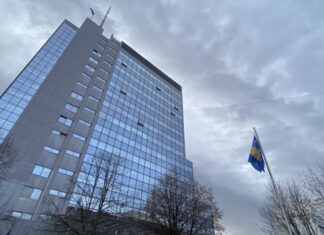
In Pristina, the commemoration of this anniversary began days in advance, culminating today with a central ceremony. Foreign embassies congratulated Kosovo for its resilience and achievements reportedly.
Due to the current political deadlock in Kosovo, no ceremonial parliamentary session was held this year, and no high-level foreign guests were in attendance. Unlike last year, no KBS parade was announced.
In Belgrade, however, the anniversary was met with official silence.
Kurti Pays Tribute to Jashari, Rugova, and Demaçi
Acting Prime Minister Albin Kurti, accompanied by at least two ministers, paid respects this morning at the gravesites of Adem Demaçi, Ibrahim Rugova, and Adem Jashari.
“Every year we have the opportunity to thank all those who contributed to our liberation, including the 19 NATO member states that united to stop the crimes of Milošević’s regime,” Kurti stated at Rugova’s grave.
From Prekaz, the memorial site of the Jashari family, he addressed citizens:
“June 12 always brings us back to Prekaz – the capital of our uprising, the home of the extraordinary Jashari family and the supreme commander of the Kosovo Liberation Army, Adem Jashari.”
Kurti described NATO’s intervention as the moment that “ended genocide and opened the path to the Republic.”
Ministry Reception and Continued Message of Liberation
Yesterday, Kosovo’s Ministry of Foreign Affairs hosted a reception for government officials. Kurti reiterated claims that:
“26 years ago, 19 NATO countries united to stop the genocide by Milošević, the ‘Butcher of the Balkans’… From discrimination and violent repression, the situation escalated into genocide and ethnic cleansing.”
He thanked all those who contributed to what he called “the liberation war of our people,” culminating in a “sovereign and independent Republic.”
“From the ruins of war and genocide, Kosovo has become the most democratic country in the Western Balkans with strong economic achievements,” Kurti said.
He credited NATO as the foundation of Kosovo’s statehood, stating:
“Thanks to NATO’s intervention and Kosovo’s liberation, we were able to establish our Republic nine years later.”
Kurti: Serbia and Russia Seek to Rewrite History
Kurti also warned that marking this day has become more important over time due to “increasing efforts by Serbia and Russia to rewrite history.”v
Osmani: “The Day Hope Landed on Burned Kosovo”
Kosovo President Vjosa Osmani described the NATO entry as:
“The day when hope landed on the burned land of Kosovo.”
She emphasized that more than one million displaced Albanians returned home, and stated:
“History written in blood cannot be erased with lies. Free, independent, democratic – Kosovo forever!”
Embassies: Goal Was to Enable Refugee Return
The German and US embassies in Pristina marked the anniversary via social media, citing the aim of NATO’s intervention:
“The goal was to withdraw Milošević’s forces, allow NATO in, and ensure the return of refugees,” they said, quoting former NATO Secretary General Lord Robertson.
Despite the low number of returning Serbs, the German embassy described Kosovo as a “success story” in terms of stability, development, and international recognition.
“Germany remains one of Kosovo’s closest partners and supports its path toward a sustainable and prosperous future,” the embassy wrote.
The US embassy also commemorated the day, stating it honors:
“The resilience of the people of Kosovo and our shared commitment to a future built on peace, security, and prosperity.”
KFOR Ceremony in Film City, Pristina
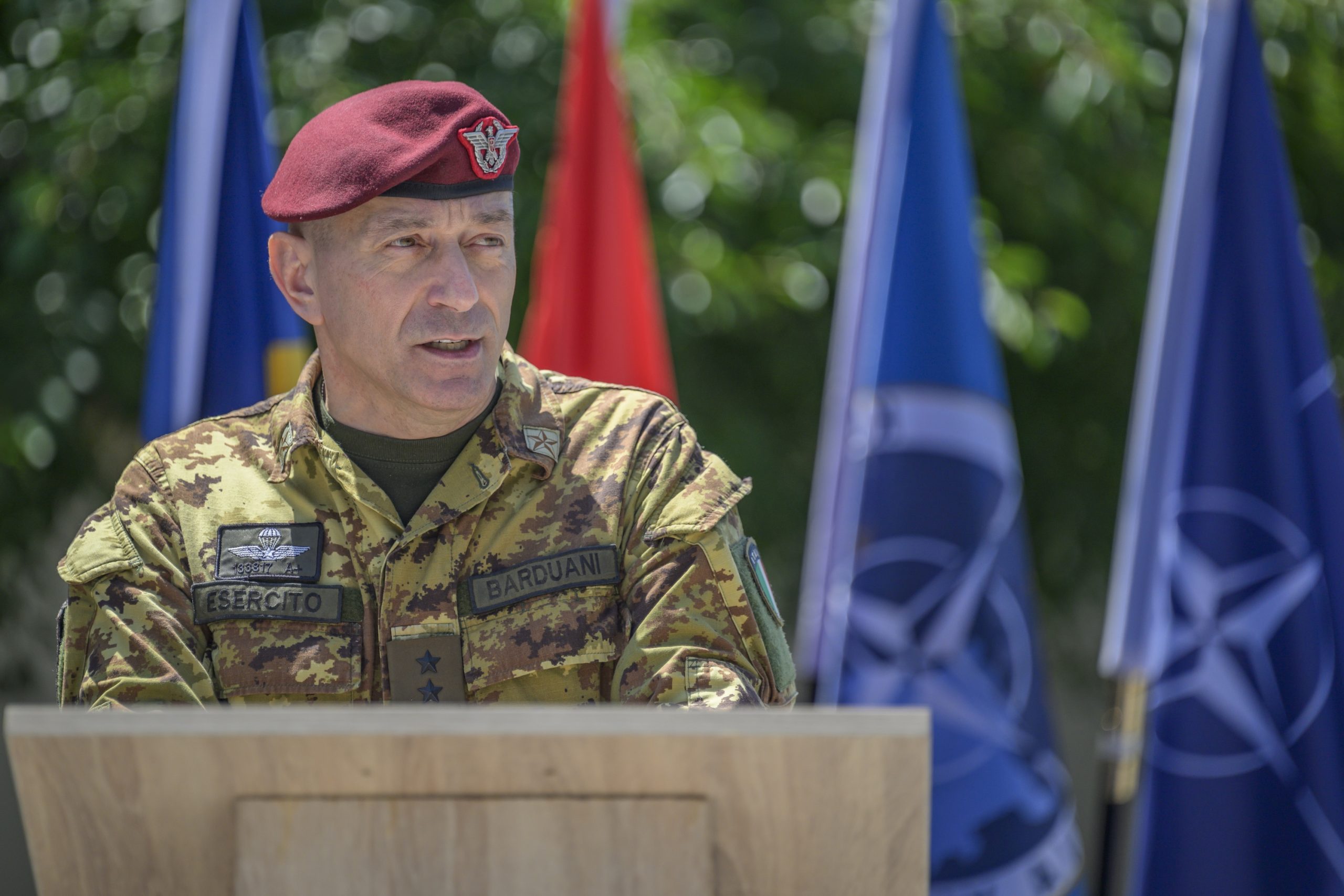
The NATO-led KFOR mission marked its 26th anniversary with a ceremony at its headquarters in Film City, Pristina.
Commander Major General Enrico Barduani laid a wreath at the memorial for fallen soldiers.
“We honor the courage and dedication of KFOR troops who, under a UN mandate, risked their lives to secure peace and stability for all communities in Kosovo,” Barduani stated, noting that 220 KFOR soldiers have lost their lives since 1999.
He emphasized KFOR’s continued role as a “pillar of security in Kosovo and the region,” reaffirming the mission’s UNSCR 1244 mandate – to provide a safe environment and freedom of movement in coordination with Kosovo Police and EULEX.
While the resolution recognizes the sovereignty of the former Yugoslavia, it also marked the beginning of de facto international administration over Kosovo.
The withdrawal of Serbian forces was completed on June 20, 1999.
As of Wednesday afternoon, no official statement has been issued from Belgrade.
Preuzimanje i objavljivanje tekstova sa portala KoSSev nije dozvoljeno bez navođenja izvora. Hvala na poštovanju etike novinarske profesije.