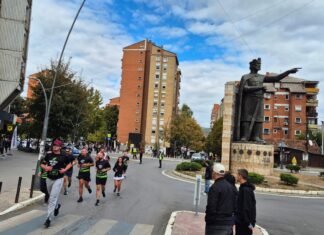
For years, sports between Belgrade and Pristina have been more than just a game. From Kosovo’s pursuit of international recognition and medal wins to the restrictions and obstacles faced by Serbian clubs and athletes within Kosovo, the sports arena has become a stage for clashing politics, identity, and the rules of international sports federations. While different flags are raised and anthems played at competitions, many athletes, including young Serbs from Kosovo, remain caught in the crossfire, struggling for the right to compete and be recognized.
Although wartime conflicts have been replaced by sports rivalries, sports also offer a glimmer of hope — a chance for fair play and cooperation, potentially realized through joint initiatives as early as 2027.
Kosovo’s Ascent in International Sports
Since its unilateral declaration of independence in 2008, Kosovo has aggressively pursued integration into international sports organizations. A key milestone was its full membership in the International Olympic Committee (IOC) on December 9, 2014. At the 127th IOC session in Monaco, Kosovo was unanimously admitted, even without opposition from Russia, a staunch supporter of Serbia that does not recognize Kosovo’s independence. Serbia’s representative, Vlade Divac, did not attend the vote or issue an official protest. This decision opened the door for Kosovo to join numerous other international sports federations and organizations.
Key milestones include membership in the International Boxing Association (AIBA) in 2014, followed by a significant wave in 2015, when Kosovo gained memberships in major federations such as FIBA (basketball), FINA (swimming), World Athletics (formerly IAAF), ISSF (shooting), UCI (cycling), FAI (air sports), European Gymnastics (UEG), ANOC (national Olympic committees), International Handball Federation (IHF), and Tennis Europe, where Kosovo became the 50th member. Notably, the European Handball Federation membership was secured in 2014, and a joint match between Serbian and Kosovan junior teams was held in Pristina under the Brussels Agreement, where Serbia agreed not to block Kosovo’s membership in international organizations.
In 2016, Kosovo marked a landmark entry into FIFA and UEFA. Kosovo became the 55th UEFA member on May 3 and the 210th FIFA member on May 13, granting its teams the right to participate in World Cup qualifiers and all FIFA competitions. That year also saw the Kosovo Karate Federation joining the World Karate Federation, the Kosovo Volleyball Federation joining the International Volleyball Federation (FIVB), and the Association of Sports Journalists of Kosovo becoming a member of the International Association of Sports Journalists (AIPS) and AIPS Europe.
Kosovo continued its sports integration with full membership in the International University Sports Federation (FISU) and the Balkan Volleyball Federation (BOF) in 2017, and the Kosovo Ski Federation was admitted to the International Ski Federation (FIS) in 2018.
A Decade of Olympic Success: Judo Triumphs
In December 2024, Kosovo marked ten years of IOC membership. Kosovan athletes have since won five Olympic medals, all in judo: Majlinda Kelmendi won gold at Rio 2016; Distria Krasniqi and Nora Gjakova took golds at Tokyo 2020; and Krasniqi won silver while Laura Fazliu claimed bronze at Paris 2024.
Kosovo’s Bid for the 2030 Mediterranean Games
Looking forward, Kosovo has been selected to host the 2030 Mediterranean Games in Pristina — a major opportunity to showcase its sporting progress on an international stage.
The Anthem and Flag: A Dilemma for Serbian Sports
Kosovo’s growing recognition in international sports, particularly in successful disciplines like judo, has posed challenges for Serbia. Serbian athletes find themselves in a difficult position: how to compete against Kosovan athletes while maintaining Serbia’s policy of non-recognition?
At a 2018 international judo competition, Serbian judoka Milica Nikolić shared the podium with Kosovo’s Distria Krasniqi. Kosovo’s anthem was played, and its flag raised alongside Serbia’s, in accordance with International Judo Federation rules and IOC recommendations. This moment sparked debate in Serbia about how sports can reconcile international rules with political stances. Nikolić remained on the podium, as some Serbian media warned that leaving could risk exclusion from events like the Tokyo 2020 Olympics.
Our flag is waving high at Judo Grand Prix #Tashkent2018. Thanks to our champion #DistriaKrasniqi.#JudoTashkent2018 @imageofkosovo #KosovoFlag pic.twitter.com/rMTa9vYCkN
— NOC KOSOVO 🥇🥇🥇🥈🥉 (@NOCKOSOVO) November 9, 2018
Earlier, the Serbian Judo Federation had prohibited juniors Anja Obradović and Marica Perišić from competing against Kosovar athletes at the European Cup in Sarajevo — illustrating the lack of a unified Serbian strategy. Božidar Maljković, then-President of the Olympic Committee of Serbia, stated in 2017 that „Serbian athletes must stand on the podium with athletes from Kosovo,“ while recognizing the government’s non-recognition stance and the need to respect international rules.
Barriers for Kosovan Athletes
Kosovan athletes have frequently faced obstacles related to symbols and recognition during international competitions. Examples include boxer Donjeta Sadiku being unable to compete under the Kosovo flag at the 2023 World Championships in India; the Kosovo karate team competing under the World Karate Federation banner in Spain in 2018 because Spain did not recognize Kosovo; Kosovan athletes barred from the 2018 European Championships in Novi Sad, Serbia; and the Kosovo boxing team prevented from participating in the 2021 World Championships in Belgrade due to disputes over their equipment markings.
Match Abandoned: When Politics Trump the Game
Political tensions sometimes erupt during matches. In November 2024, a Nations League match in Bucharest between Romania and Kosovo was abandoned in the 93rd minute after Romanian fans chanted “Serbia! Serbia!”. Kosovan players responded by making the “Albanian Eagle” gesture and left the field in protest. UEFA fined Kosovo €6,000 and awarded Romania a 3-0 victory; the decision was upheld by the Court of Arbitration for Sport.
Kosovo’s captain, Amir Rrahmani, stirred controversy by declaring, “Everyone must know – Kosovo is Kosovo, or Kosovo is Albania. That’s it.” Still, the team was welcomed as heroes in Pristina, with Prime Minister Albin Kurti repeating Rrahmani’s exact words.
Olympic Committee’s NATO Plea
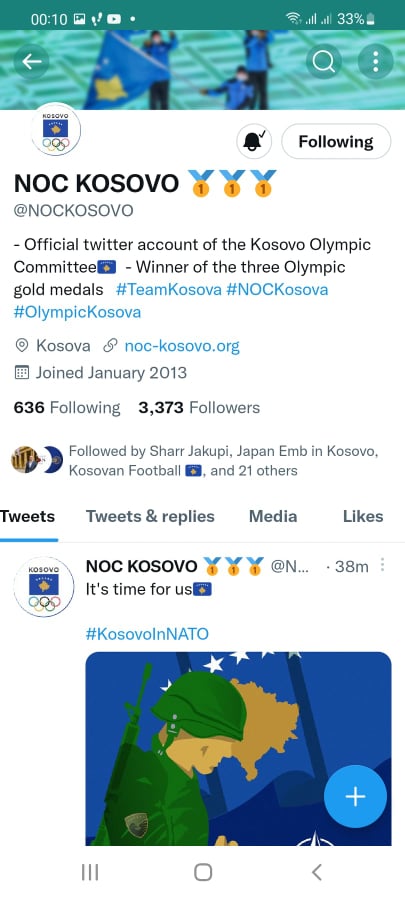
In a remarkable example of politics blending with sports, in March 2022, following Russia’s invasion of Ukraine, the Olympic Committee of Kosovo publicly called for Kosovo to join NATO — initiating a campaign on its official page.
Behind the Flag
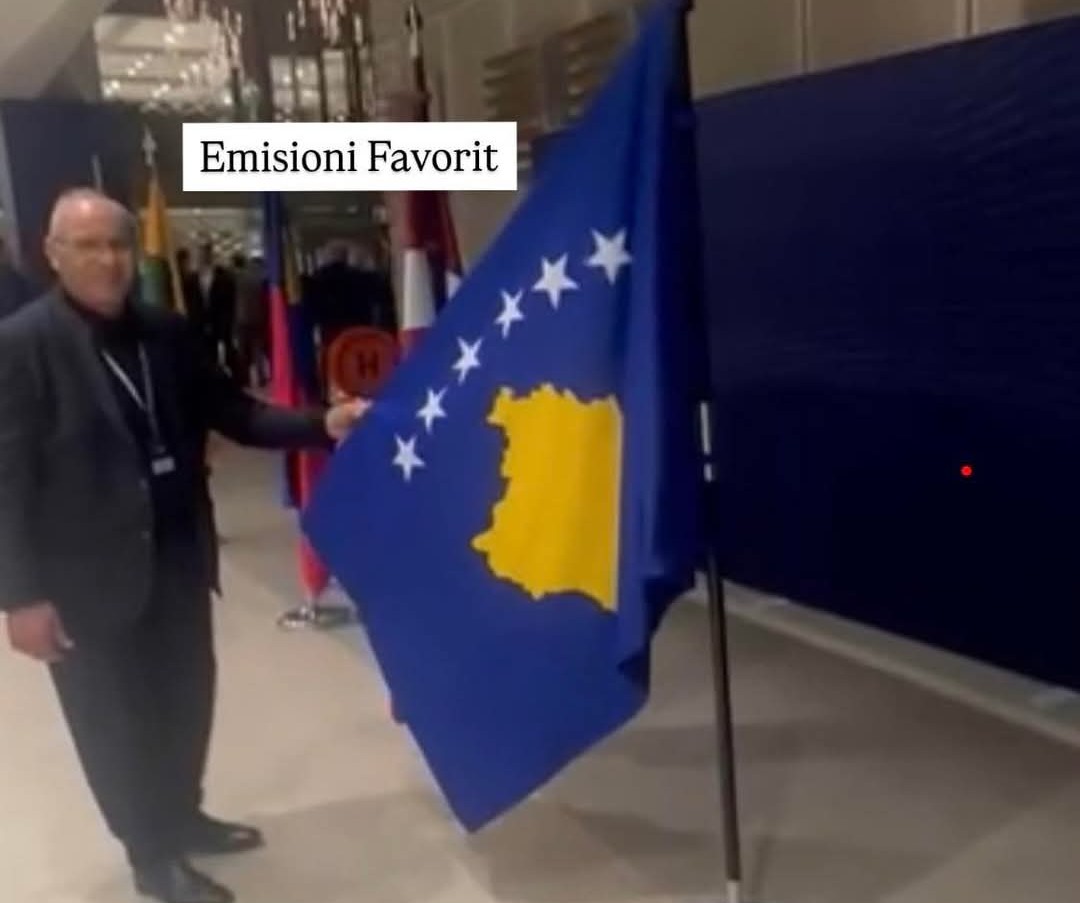
While Kosovan sports officials openly assert political ambitions, Serbia often remains silent about Kosovo’s growing claims of sovereignty, sometimes concealing developments from its public. In April 2025, a video of Kosovo Football Federation President Agim Ademi posing next to the Kosovo flag went viral at the UEFA Congress in Belgrade, sparking outrage in Serbia. The Serbian Football Federation issued a statement only after the news spread, attributing the flag’s presence to a UEFA mistake and apologizing.
Serbian Sports in Kosovo Under Pressure
Serbian sports in Kosovo face considerable challenges, caught between political tensions from Belgrade and Pristina. Institutional pressures, closures of facilities, and direct takeovers by Kosovan authorities have disrupted Serbian clubs. Serbian teams from central Serbia are often denied entry, and local Serbian clubs are prevented from organizing matches within the Serbian league system.
In May and June 2025, Kosovan authorities, with police support, took control of several sports facilities formerly managed by Serbian structures in northern Kosovo. Despite these difficulties, Serbian clubs continue operating thanks to the dedication of coaches, parents, and young athletes, though local sports officials have offered little initiative to resolve issues on the ground.
Kosovo as a Stumbling Block
Tensions spilled over in a recent World Cup qualifier in Tirana between Albania and Kosovo, where nationalistic fervor and symbolism filled the stadium. Albanian fans displayed “Greater Albania” and Kosovo Liberation Army (KLA) symbols; a Serbian flag was torn and burned; and the match was interrupted multiple times by objects thrown at Serbian players.
Tirana danas…#tirana #albania #serbia #FIFAWorldCup #albsrb #albser pic.twitter.com/vHcejwPCYM
— Sport Klub (@sportklub) June 7, 2025
A Game of Power and Identity
For passionate Albanian fans, matches involving Serbian players carry deep political and cultural weight, beyond sport. Serbia’s 3-2 defeat to Switzerland at the 2022 FIFA World Cup was celebrated in Pristina, especially due to players of Albanian descent like Granit Xhaka and Xherdan Shaqiri, who made the Albanian eagle symbol and wore the „Jashari“ jersey — acts laden with symbolism.
Bravo shqipe 👐🏻👐🏻 pic.twitter.com/nFzcKKnsNb
— Vjosa Osmani (@VjosaOsmaniPRKS) December 2, 2022
From “Greater Albania” in Belgrade to a Joint European Championship
Politics have repeatedly interfered in sports between Serbia and Albania. The 2014 match in Belgrade was interrupted when a drone carrying a “Greater Albania” flag flew over the field. Yet, a sign of hope appears with Serbia and Albania set to jointly host the 2027 European Under-21 Football Championship.
When Politics Becomes a Sport
The long shadow of politics over sports relations between Serbia and Albania often overshadows positive moments. One such moment of unity occurred in August 2015, when a symbolic soccer match took place between an “EU” team and politicians from the Western Balkans. Kosovo’s Prime Minister Hashim Thaçi and Serbian Minister Aleksandar Antić played side by side, with Serbian Foreign Minister Ivica Dačić acting as referee. Though Western Balkan countries are not yet EU members, this event stands as a powerful reminder that even the most difficult political relationships can find common ground through sport.
More at:

Ovaj tekst nastao je u okviru inicijative koja jača međukulturnu saradnju između Kosova i Srbije, a koju finansira Evropska unija. Sadržaj teksta je isključiva odgovornost portala KoSSev i ne predstavlja nužno stavove Evropske unije, niti drugih saradnika na projektu.
Preuzimanje i objavljivanje tekstova sa portala KoSSev nije dozvoljeno bez navođenja izvora. Hvala na poštovanju etike novinarske profesije.