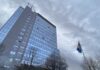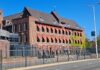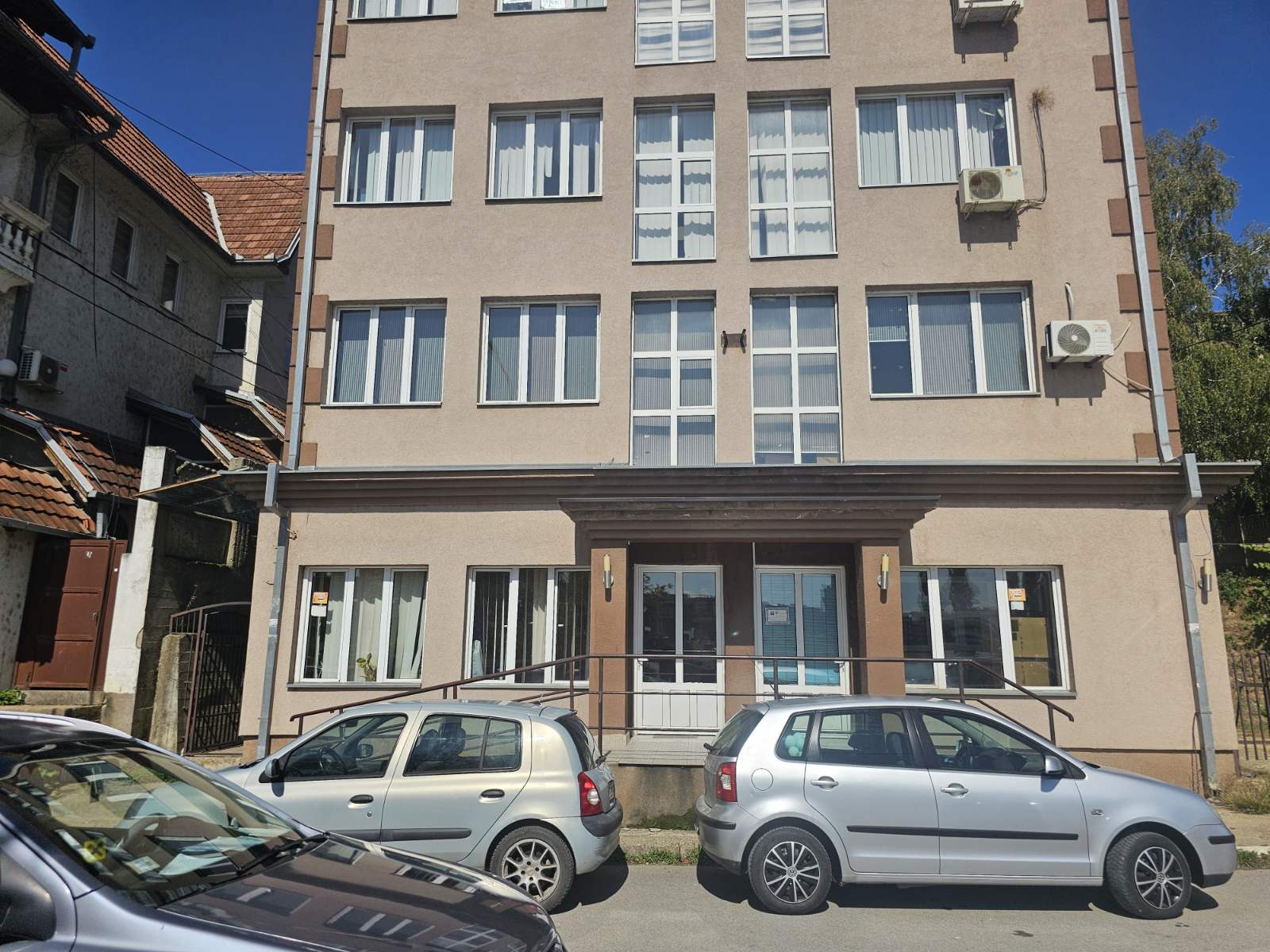
The European Union has voiced regret over the closure of the Serbian Pension and Disability Insurance Fund (PIO) and Health Insurance Fund (RFZO) offices operating in North Mitrovica under the Serbian system.
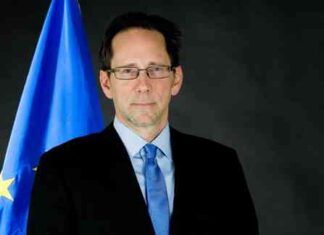
“This constitutes yet another uncoordinated action against such structures by the outgoing Kosovo government and goes against obligations and commitments by Kosovo vis a vis the EU,” the bloc said in a statement.
The EU reiterated it has repeatedly stressed that the status of these structures must be resolved through the EU-facilitated dialogue, in line with existing agreements and Kosovo’s laws.
“The lives of ordinary citizens, primarily from the Kosovo Serb, but also other communities in Kosovo, are negatively affected by such actions,” the statement added.
Brussels called on Kosovo’s outgoing government and relevant institutions to refrain from “provocative and damaging actions” and to consult with the local Serb community and international partners.
Inspectors from the municipality of North Mitrovica, accompanied by police, entered the PIO and RFZO offices on Friday, ordering employees and citizens seeking services to leave the premises. Two Serbian flags displayed outside the buildings were immediately removed.
The move follows the closure and takeover of Serbian Post facilities in Gracanica and Strpce the previous day — part of a wider trend of dismantling Serbian-run institutions in Kosovo.
Since 2024, nearly all remaining Serbian state institutions in both northern and southern Kosovo have been shut down, with the exception of health care and education facilities. Post offices, branches of the Poštanska štedionica Bank, the Treasury, provisional municipal bodies, the Pension Fund, the Kosovo and Metohija Office, social welfare centers, the dinar payment system, Serbian-issued license plates, and driver’s licenses have all been phased out.
At least 59 Serbian institutions and services have been closed during this period, not including earlier rounds of integration such as the absorption of Serbia’s police, judiciary, civil protection, Telekom Srbija, and EPS into Kosovo’s system.
Belgrade itself began dismantling some of these structures more than a decade ago. In 2013, Serbia dissolved municipal assemblies in Kosovo despite a Constitutional Court ruling, replacing them with provisional bodies. No Serbian local elections have been held in Kosovo since then, while the Constitutional Court declared the move unconstitutional in 2014.
By 2018, then-Minister of Public Administration Branko Ružić said Serbia was maintaining its influence in Kosovo through 29 provisional bodies to help preserve the constitutional order and ensure the security of Serbs living there. To date, 21 of those bodies have been closed.
Preuzimanje i objavljivanje tekstova sa portala KoSSev nije dozvoljeno bez navođenja izvora. Hvala na poštovanju etike novinarske profesije.