The transition period for businesses using the dinar to adapt to the regulation of the Central Bank of Kosovo ended yesterday – according to RTK, other Pristina-based media, however, reported that this phase in the implementation of this regulation ends today. These media reports arrive ahead of tomorrow’s round of dialogue in Brussels on this issue. The CBK and the Kosovo government are silent. On the other hand, the dinar is still being used in the territory of Kosovo. The KP of the region north states that it has not received any orders so far.
At the end of last year, the Central Bank of Kosovo passed a Regulation with a series of rules on the regulation of currency issue in Kosovo, which stipulates that the only currency allowed to be used in Kosovo is the euro.
Although not specified in the regulation itself, it soon became clear that, after its entry into force, the Serbian dinar would not be able to be used in cash transactions, that is, those who use it for payment would be treated as violators of the law.
This regulation was supposed to enter into force on February 1.
The decision was criticized by official Belgrade, with allegations that Pristina wants to use it to abolish the dinar and payment transactions with Serbia.
On the other hand, Pristina justified itself by claiming that the regulation does not prohibit, nor does it allow, nor does it specifically deal with the Serbian dinar, because „the dinar was not allowed before.“
International officials also criticized Pristina, mainly over the way the decision was made and the short deadline for the start of implementation, expressing concern about the impact of the regulation on the work of Serbian schools and hospitals, but also on the citizens who work in institutions operating under the Serbian system.
Western diplomats called on Pristina to suspend the regulation in order to allow „a sufficiently long period of transition“.
The regulation was not suspended, however, ahead of its implementation, which was planned for February 1, Pristina decided to introduce a transitional adjustment period for all those who do business with dinars.
The Deputy Prime Minister of Kosovo, Besnik Bislimi, stressed that the citizens of Serbian ethnicity have no reason to worry.
However, despite this transitional period, the Kosovo government banned the import of dinars from central Serbia at the beginning of February, intended for the pay out of salaries and other benefits to Serbs in Kosovo.
In order to withdraw their money, citizens were then forced to travel to nearby towns in central Serbia, and as of March 11 to temporary branches of the Poštanska Štedionica Bank, which were installed at several crossings.
During the transition period, an information campaign was carried out on the application of the regulation.
Despite assurances from Pristina that concrete actions would be taken during the transition period, as far as the Serbian community is concerned, the only actions taken were in the form of occasional posts on social networks.
„As of tomorrow, when the regulation enters into force, during the transitional period – no punitive measures will be implemented,“ Bislimi said on January 31.
In the „plan for simpler implementation of the regulation on cash operations“ published on February 12, the CBK indicated that within the framework of actions to facilitate the implementation of the regulation, it will implement measures as soon as possible, „but within three months at the latest.“
RTK reported last night that the transition period has ended, announcing that punitive measures will be taken against anyone who uses any currency other than the euro as of today.
Today, Pristina-based Gazeta Express published a text with the same content. Koha portal also shared a similar news item, which they altered in the meantime: instead of „from today (May 12), the euro is the only currency“, their article now says „from tomorrow (May 13)…“
Dinar in circulation
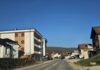
However, the dinar is still in circulation in the north of Kosovo. As KoSSev verified on the ground in North Mitrovica, it is possible to use this currency in grocery stores, cafes, and shops.
Employees of some cafes told us that they are aware of the provisions of the CBK regulation on currencies, but that they still do business with euros and dinars.
KP of the region north did not receive any orders
While the Pristina media announced the implementation of the measures, the Kosovo Police of the region north have not received any orders.
The deputy commander of the KP for the North region, Veton Elshani, says that they have not received any orders on the issue so far.
He clarified that before any decision is implemented, the Kosovo government is required to inform the central directorate of the Kosovo Police, which then issues an order to the regions, in this case, the region north.
„Until now, we have not received any directive,“ Elshani stressed.
Overall silence
While the media are announcing the implementation of the measures, the competent institutions are remaining silent.
KoSSev contacted the Central Bank of Kosovo and the Ministry of Trade via email today, but our inquiries remained unanswered.
We also reached out to the adviser to the mayor of North Mitrovica, Visar Sula, who also did not respond.
According to Pristina media reports, when the Prime Minister of Kosovo was recently asked what would happen after the end of the transition phase, he replied that „CBK is the one in charge of this, not the executive authorities“.
Failed meetings in Brussels?
The issue of the implementation of the regulation of the Central Bank of Kosovo, and its impact on the Kosovo Serbian community, which largely depends on income from Serbia, was included in the dialogue in Brussels, despite Pristina’s objections. The two sides have held six meetings in the past period.
All of them ended in the same way – with mutual accusations, without a concrete solution, while the European Union came out on two occasions with its proposals for a solution.
A new meeting is scheduled for tomorrow, and as confirmed by the EU spokesman, Peter Stano, the European Union expects this meeting in Brussels on the dinar issue to be the last.
Preuzimanje i objavljivanje tekstova sa portala KoSSev nije dozvoljeno bez navođenja izvora. Hvala na poštovanju etike novinarske profesije.