The Kosovo Journalists Association (AGK) has raised the alarm over what it describes as a coordinated smear campaign and political pressure targeting the organization and its president, Xhemajl Rexha. The outcry comes after Kosovo plummeted 24 places on the 2025 World Press Freedom Index published by Reporters Without Borders (RSF), marking its lowest position in a decade.
Kosovo has fallen 24 places and now ranks 99th in the world – its lowest position to date and the worst in the Western Balkans. The drop has sparked a fierce political and public debate, with AGK and media watchdogs calling for accountability and protection of press freedom.
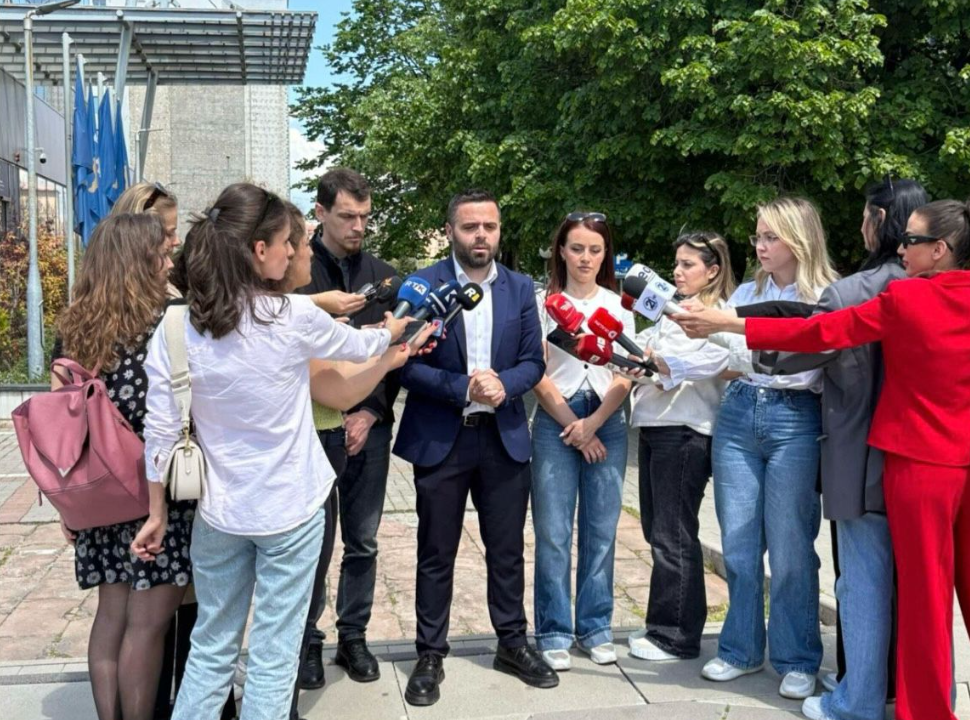
At a hastily arranged press conference held in front of the former government building in Pristina, AGK squarely blamed the ruling Vetëvendosje (Self-Determination Movement) and its leader, Prime Minister Albin Kurti, for fostering a hostile environment for independent journalism. Rexha proposed the creation of a special working group to address the deteriorating media climate.
Kurti, however, avoided answering journalists’ questions about the RSF report earlier today. In a troubling incident, one of his bodyguards reportedly shoved journalist Genc Godanci as he attempted to ask about the index findings.
Government Denies Allegations, Blames Former Administrations
In response to mounting criticism, Kurti’s chief of staff, Luan Dalipi, issued a statement defending the government’s record. He claimed that Kurti’s administration is the most transparent Kosovo has seen, and the only one that has not spent millions on propaganda or used single-source contracts to „buy“ media loyalty.
According to Dalipi, previous governments under the AAK, PDK, and LDK parties allocated significantly more funds daily to media outlets — 2,900 euros, 2,000 euros, and 1,400 euros respectively — compared to the current government. He argued that media outlets now critical of the government are primarily those that have lost financial benefits from the state.
„This government has not invested in media silence, but in transparency,“ Dalipi said, dismissing accusations of media intolerance as politically motivated. He also cast doubt on the objectivity of press freedom assessments, suggesting that some reports originate from „very small organizations“ facing foreign funding cuts.
Dalipi added that Kurti’s active use of social media platforms like Facebook has surpassed traditional news portals in effectively communicating with the public.
AGK: Ruling Party is Deflecting, Not Addressing the Crisis
AGK condemned the ruling party’s response as an attempt to divert attention from the substance of the RSF report. The association warned that instead of investigating why Kosovo has fallen so sharply in press freedom rankings, Vetëvendosje MPs have chosen to publicly discredit the journalists’ union and its leadership.
According to AGK, newly elected MP Arbëresha Hyseni Kryeziu made personal accusations against Rexha on social media, while MPs Valon Ramadani and Arjeta Fejza also launched public attacks on the organization. Hyseni Kryeziu even questioned whether a Serbian-issued certificate for broadcaster KlanKosova influenced the RSF report.
AGK stressed that such actions are unacceptable and represent an effort to shift blame onto those advocating for press freedom, warning that this could further endanger journalists’ safety and independence.
Rexha, a journalist with over two decades of experience and AGK chair for the last four years, has been widely recognized for his dedication to protecting media professionals and defending free speech, the organization said.
Although the AGK statement specifically mentions three Vetëvendosje (LVV) MPs, several more have reacted negatively to the RSF report, launching verbal attacks against journalists. What they all share is the narrative that freedom of speech is thriving in Kosovo, that no government has been more transparent than Vetëvendosje, and that the party maintains direct communication with citizens—primarily through social media platforms. They argue this approach has saved taxpayers’ money and marks a clear break from previous administrations, which they claim paid media outlets for favorable coverage or even silence. At the same time, they downplay the RSF report itself, attempting to discredit both Reporters Without Borders and Kosovo-based journalists.
SafeJournalists: Attacks on AGK and Rexha are Deeply Disturbing
The regional network SafeJournalists also weighed in, calling the attacks on AGK and Rexha „deeply disturbing“ and a form of intimidation against one of the country’s key voices for media freedom.
„We urge Vetëvendosje representatives to immediately stop targeting journalists and civil society actors and to address the worsening media environment with the seriousness it demands. Freedom of expression is not a political issue — it is the cornerstone of any democratic society,“ the network said in a statement.
SafeJournalists also expressed solidarity with AGK and pledged to inform both domestic and international stakeholders about the situation.
Experts Warn of Dangerous Precedent
Media expert Flutura Kusari warned that the government’s reaction to the RSF findings is not only disappointing but also dangerous. She emphasized that instead of engaging in introspection, Vetëvendosje has turned to attacking individuals like Rexha, which she said could escalate tensions and erode free expression even further.
She noted that Kosovo’s current position — ranking alongside some African countries and falling behind all EU nations — should have triggered a serious internal reckoning rather than political retaliation.
Kosovo Falls to Lowest Rank in Region for Press Freedom Amid Official Criticism of…
Kurti Quiet on Kosovo’s Media Freedom Decline, Opposition Raises Alarm
Kosovo Hits Decade-Low in Press Freedom Index as Journalist Is Blocked from Questioning PM
Kosovo Drops 24 Spots in Press Freedom Index, Now Lowest in the Region; Serbia…
Preuzimanje i objavljivanje tekstova sa portala KoSSev nije dozvoljeno bez navođenja izvora. Hvala na poštovanju etike novinarske profesije.