On August 13, the Serbian tabloid Alo published a headline that read: “ARMED TERRORISTS OPEN FIRE ON SERBIAN CHILDREN FROM GORAZDEVAC SWIMMING IN THE BISTRICA – TWO KILLED.” The dramatic wording could easily lead readers to believe a new tragedy had taken place. In reality, the article was not about a recent incident, but a reminder of a crime that occurred 22 years ago.
The piece referred to the attack on August 13, 2003, when Serbian children in the village of Gorazdevac, were gunned down while swimming in the Bistrica River. Eighteen-year-old Ivan Jovović was killed instantly, while 12-year-old Pantelija Dakić died in hospital. Four others — Đorđe Ugrenović (20), Bogdan Bukumirić (14), Marko Bogićević (12), and Dragana Srbljak (13) — were wounded, two of them seriously. No one has ever been held accountable for the crime.
Although the body of the article makes clear that it is an anniversary piece, the absence of a time marker in the headline risks misleading readers — some of whom only skim titles — into thinking that another attack has taken place.
This is not the first time Alo has resorted to alarmist framing when reporting on Kosovo. In fact, it has become a recurring practice.
“Activation” of KFOR
Just three days before the Gorazdevac piece, on August 10, the same outlet ran a story under the headline: “ITALIAN ARMY IN KOSOVO – NATO FORCES ACTIVATED.”
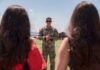
While technically accurate, the language used in the headline was crafted for maximum drama, evoking the impression of a sudden security escalation. In the very introduction, however, it becomes clear that the “activation” referred to a routine training exercise carried out by Italian KFOR troops with Hungarian instructors. According to KFOR’s own statement, the drill focused on riot control and building resilience to fire and heat — a standard component of peacekeeping preparedness.
KFOR routinely publishes updates on such exercises, sometimes several times a week. Nevertheless, Alo has repeatedly chosen to frame them as if they were urgent security interventions. In April, for example, it ran the headline: “KFOR ACTIVATED IN KOSOVO – Special Units Launch Action (PHOTO).” Similar stories were published last November.
Clicks at the Cost of Clarity
Such headlines serve a dual purpose. They capture clicks in a competitive media environment while simultaneously stoking anxiety among readers. In a region where tensions remain high and memories of violence are fresh, the effect is particularly potent.
By omitting crucial context from titles and leaning on sensationalism, these outlets risk not only misleading the public but also amplifying a sense of constant threat.
In the end, what may seem like just another attention-grabbing headline has broader consequences: it shapes public perception, fuels fear, and further complicates an already fragile atmosphere in Kosovo.
Preuzimanje i objavljivanje tekstova sa portala KoSSev nije dozvoljeno bez navođenja izvora. Hvala na poštovanju etike novinarske profesije.