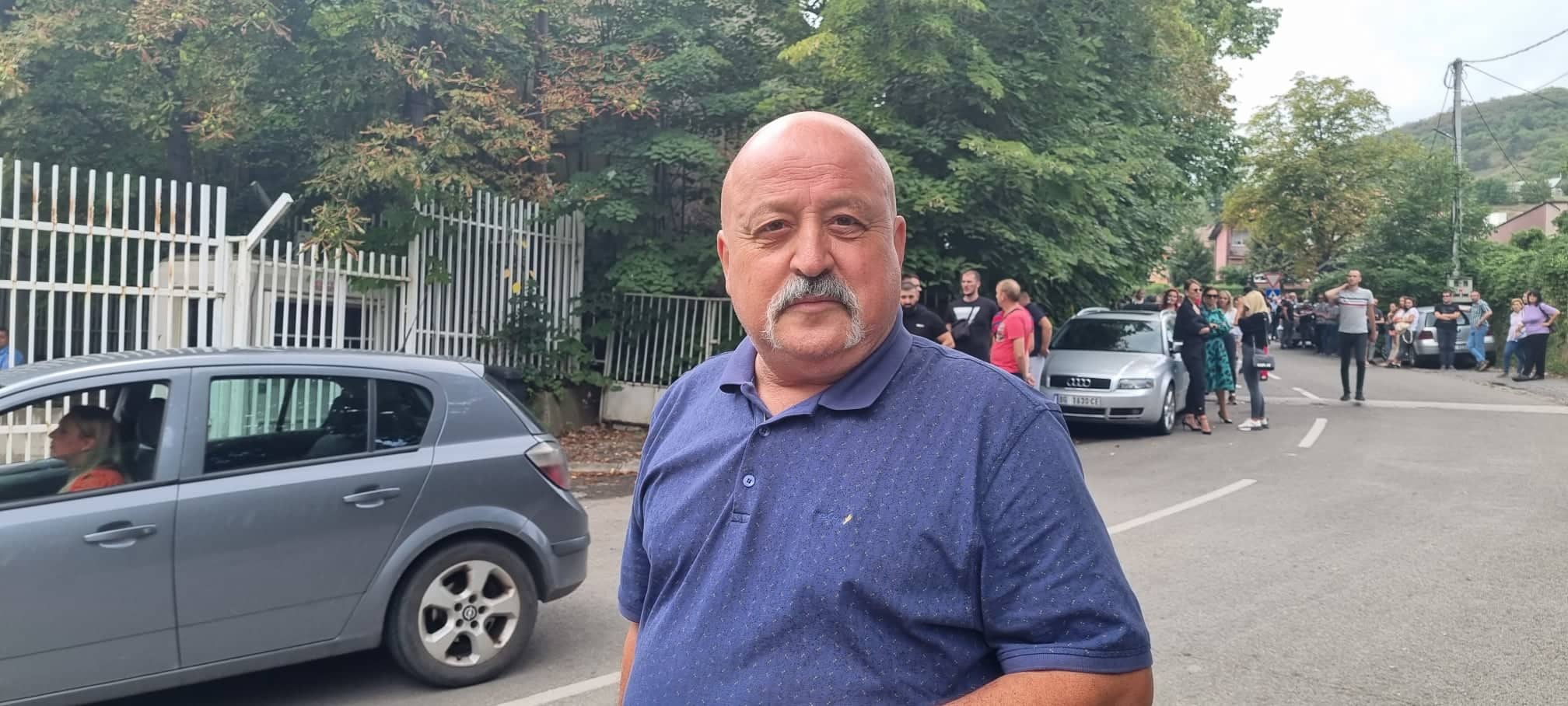
The acting deputy director of Serbia’s Office for Kosovo and Metohija, Igor Popović, has entered a plea agreement with Kosovo’s Special Prosecution, admitting guilt to the charge of inciting discord and intolerance. The agreement has been confirmed by the Prosecution in Pristina and Popović’s legal representative.
An indictment has also been filed against Popović, and both documents have been submitted to the Basic Court in Pristina.
KoSSev reached out to the Office for Kosovo and Metohija, seeking answers to whether Popović consulted with Belgrade prior to accepting the plea deal, with whom exactly, and what measures—if any—were undertaken by Serbian authorities to secure the release of their official. No response was provided.
Popović’s lawyer has declined further comment, citing the ongoing legal proceedings.
A Broader Trend
Popović is not the first Serbian official or citizen to face such charges. His case joins a growing number of plea deals made by Kosovo Serbs accused of inciting hatred, terrorism, or espionage.
Defense attorneys frequently claim their clients are innocent but point to what they describe as a repressive legal environment, where suspects opt to plead guilty—not because they committed the alleged crimes, but because they fear long pre-trial detentions and biased proceedings with slim chances of acquittal.
This growing trend raises concerns over whether repeated guilty pleas—especially under pressure—could discourage others from pursuing justice, even when convinced of their innocence. Furthermore, when high-ranking Serbian officials admit guilt in Kosovo courts, what message does that send about Serbia’s official stance on Kosovo—and what consequences does it carry for Serbia’s diplomatic efforts?
“A Double-Edged Sword”Nebojša Vlajić, a seasoned Serbian defense attorney with extensive experience in Kosovo’s legal system, told KoSSev that the institution of plea bargaining is being abused.
“The mechanism exists for cases where a crime truly occurred and the defendant can gain something by cooperating,” Vlajić explained. “But the problem is it’s now being used broadly—because defendants know legal procedures often don’t apply to them. They’re aware they might be detained indefinitely without evidence and treated worse if they don’t plead guilty.”
He cited cases ranging from minor offenses to more serious indictments.
“Defendants are too afraid to go to trial. They pick what’s ‘cheapest’ for them. The abuse lies in the fact that many of them shouldn’t be in prison at all—because no crime was actually committed,” Vlajić added.
He referenced the case of former Kosovo government minister Ivan Todosijević, who was sentenced to two years for a controversial statement about Racak, only to be acquitted in 2023 after a four-year legal battle based on the right to free speech.
Popović’s defense team has invoked the same legal precedent in his case.
Unlike many others, Todosijević was not placed in pre-trial detention, which, Vlajić says, made all the difference.
“He had the ability to fight. But someone in custody just wants to end the suffering as quickly as possible,” he said.
Consequences for Others—and the State
Vlajić acknowledges that these plea deals have far-reaching consequences.
“They worsen the situation for others who will now also be indicted despite their innocence. Courts may point to previous plea agreements as justification for future convictions,” he warned.
Ultimately, the defendant is the master of their own defense, Vlajić emphasized:
“No matter what the lawyer or the state says, it’s the defendant who decides. If he tells me he wants to plead guilty—because he’s afraid of an unfair trial—no one can stop him.”
When asked if he believes Popović made this decision independently or as part of a state strategy, Vlajić responded: “I don’t know the answer to that question.”
Nonetheless, the implications are clear: guilty pleas—especially by Serbian officials—feed into narratives that paint Kosovo Serbs as “terrorists,” “spies,” or “extremists,” further damaging their reputation and complicating Serbia’s political posture.
“Absolutely,” Vlajić concluded.
Silence in Belgrade
Following Popović’s arrest, Serbian officials, including those from the Office for Kosovo and Metohija and the foreign minister — himself a former official in the same office — demanded his immediate release in a meeting with the Quint and warned that no further dialogue would take place until he was freed.
President Aleksandar Vučić said Serbia would “respond harshly,” and accused Kosovo’s Prime Minister Albin Kurti of pushing for conflict.
However, the official response to Popović’s guilty plea — which directly contradicts Belgrade’s earlier claims of innocence — has been silence.
Likewise, there has been no reaction to the media campaign in Kosovo following Popović’s arrest. Kurti accused Serbia of systematic attempts to destabilize Kosovo and sabotage EU-led dialogue, with Popović at the center of these allegations.
Albanian-language media claimed Popović had recorded meetings in Brussels and cooperated with Serbian intelligence services. For days, outlets in Pristina published alleged content from his confiscated phone — including audio recordings, messages with intelligence officials, and references to individuals charged with war crimes.
Popović Pleads Guilty Before Kosovo Prosecution: What Are the Implications for Belgrade?
Preuzimanje i objavljivanje tekstova sa portala KoSSev nije dozvoljeno bez navođenja izvora. Hvala na poštovanju etike novinarske profesije.