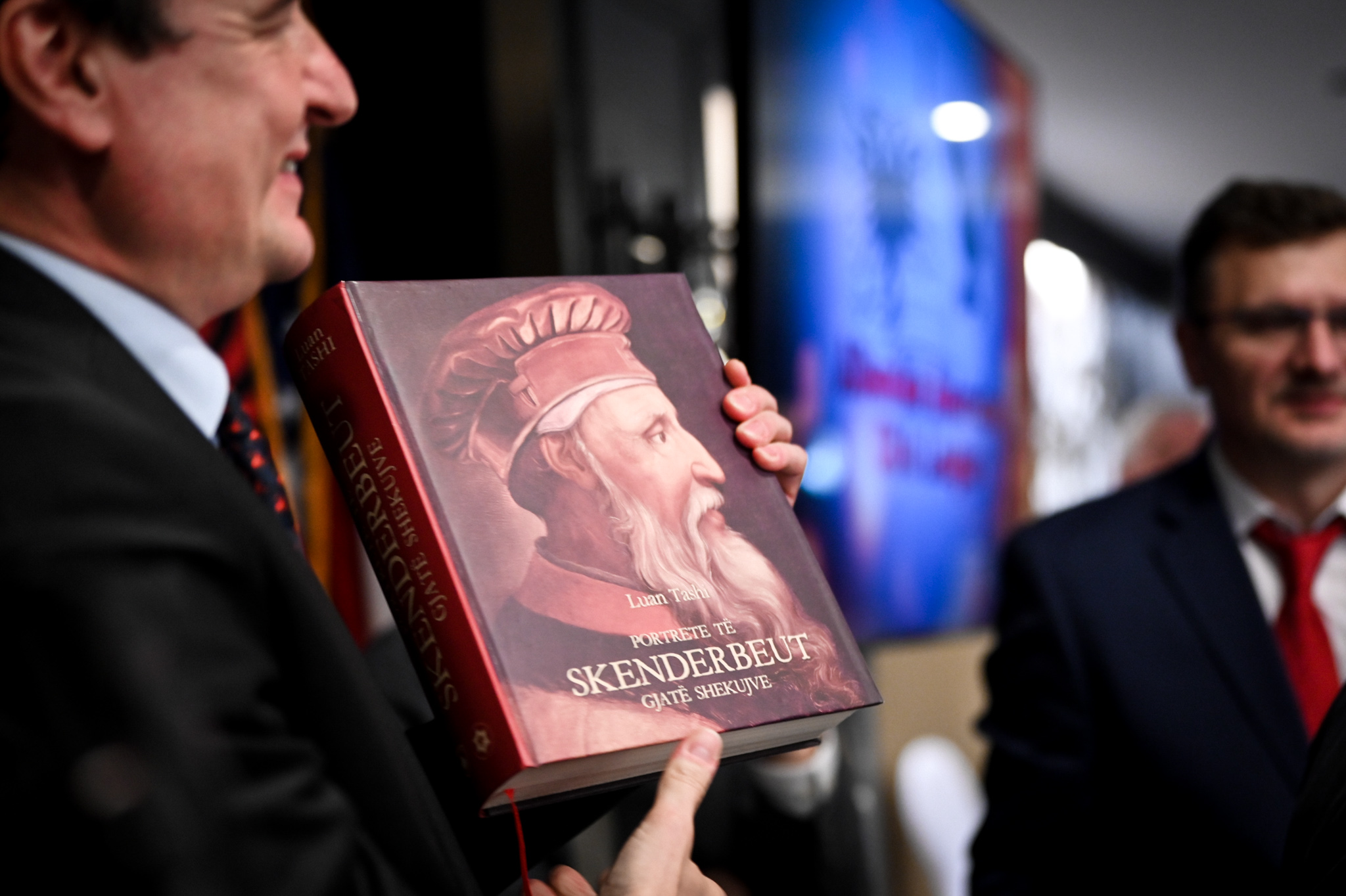
Kosovo’s caretaker Prime Minister Albin Kurti told audiences in the United States that he will not compromise on “implementing the rule of law” in the north of Kosovo — a policy he openly links to Washington’s suspension of its Strategic Dialogue with Pristina. Criticizing his predecessors as “too lenient” toward Serbia, Kurti defended his government’s closure of “illegal institutions in the north,” even as he acknowledged that these moves have led to “diplomatic obstacles” with U.S. officials who believe they complicate efforts to draw Belgrade away from Moscow.
Kurti travelled to the U.S. days after the State Department halted the Strategic Dialogue on 12 September, citing his government’s policies and public statements.
Before his trip, he insisted that ties with Washington “are not damaged” but admitted “differences over Serbia’s illegal institutions” remain.
“Three-Dimensional” Relations
Speaking in the host country, Kurti reiterated that Kosovo maintains a “three-dimensional agreement” with the U.S. covering development, diplomacy and defense.
He described the suspension of the Dialogue as “temporary” and tied it directly to his crackdown on Serbian-run structures in the north.
“The main obstacles are in diplomacy,” he said.
“The U.S. considers it extremely important to draw Serbia away from the Eastern Hemisphere because of its close ties to Moscow. By consistently implementing the rule of law, democracy, state sovereignty and territorial integrity, we are, in the view of some American politicians and diplomats, not helping the U.S. to distance Serbia from Russia. But frankly, that should not be my problem. I represent the interests of the Republic of Kosovo,” he added, according to Albanian-language media reports.
Kurti also underscored that, unlike his predecessors, he does not intervene in police operations: “I am not a prime minister who tells the Kosovo Police: ‘Don’t arrest this Serbian criminal because Brussels or Washington might criticize us.’ If they arrest him, good for the police, bad for him.”
“I’m normal — I may seem a bit extreme, but that’s because my predecessors weren’t normal,” he quipped, while warning that even “a little leniency” toward Belgrade “never pays off.”
Renewed Criticism of the Constitutional Court
Kurti’s visit comes as U.S. diplomats point to his repeated criticism of Kosovo’s Constitutional Court, which the international community expects to help resolve Kosovo’s ongoing institutional crisis.
Speaking at a forum hosted by the Zolberg Institute on Migration and Mobility at The New School in New York, Kurti attacked a recent Court decision striking down a law capping profit margins on basic goods — calling it “wrong and hypocritical.”
He contrasted that ruling with an earlier one defending high judicial salaries against government cuts, accusing the Court of applying a double standard.
He labeled the profit-cap ruling “the most painful court decision in the past four years,” saying it harmed Kosovo’s most vulnerable households.
Diplomatic Strains and Political Deadlock
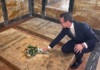
Kurti’s U.S. tour included appearances at private events with prominent Albanian-American figures and tributes to victims of both the 11 September attacks and the 1999 killings of the Bytyqi brothers by Serbian forces.
Meanwhile, Kosovo faces an institutional crisis at home. Nearly eight months after elections, parliament remains only partially constituted. The newly elected Speaker of the Parliament, Dimal Basha, declared the Assembly constituted on August 30, but the Serbian List is challenging the procedure.A temporary injunction from the Constitutional Court has frozen the work of MPs and the formation of a new government until the end of September.
President Vjosa Osmani argues parliament can function without one of its vice-presidents, but opposition parties insist that without a Serbian vice-president, it lacks legitimacy.
With local elections due on 12 October, Kosovo heads into the fall with a caretaker government, a partially blocked parliament, and a suspended Strategic Dialogue with its key ally, the United States.
Preuzimanje i objavljivanje tekstova sa portala KoSSev nije dozvoljeno bez navođenja izvora. Hvala na poštovanju etike novinarske profesije.