Officials from the municipality of Leposavic knocked on the doors of several apartments in a building intended for displaced families earlier this week, reportedly attempting to change locks based on claims that current occupants were not legally entitled to live there due to alleged ownership of other properties. Some residents, however, firmly deny these accusations, saying that they possess no other property. The building in question has become the center of a growing controversy involving displaced persons, property rights, and competing narratives over who funded its construction.
A Question of Legitimacy
According to the municipality, led by Mayor Lulzim Hetemi, the apartments were allocated to 36 displaced and socially vulnerable families following the closure of six collective centers in the area. The mayor ceremonially handed over keys to new residents in May, with the municipality claiming the process was transparent and in partnership with the Danish Refugee Council and UNHCR.
Yet some families say they were granted access to these apartments months earlier, through the Serbian system.
Tijana Spasić, daughter of Slobodan Spasić, a displaced person from Obilic, told KoSSev that her father received keys to his apartment in November 2024, via Serbia’s Center for Social Work, but without any documents proving ownership. However, he has yet to fully move in and still resides in a collective center in Leposavic.
According to Spasić, her father found out the lock on the apartment had been changed while they were having lunch together.
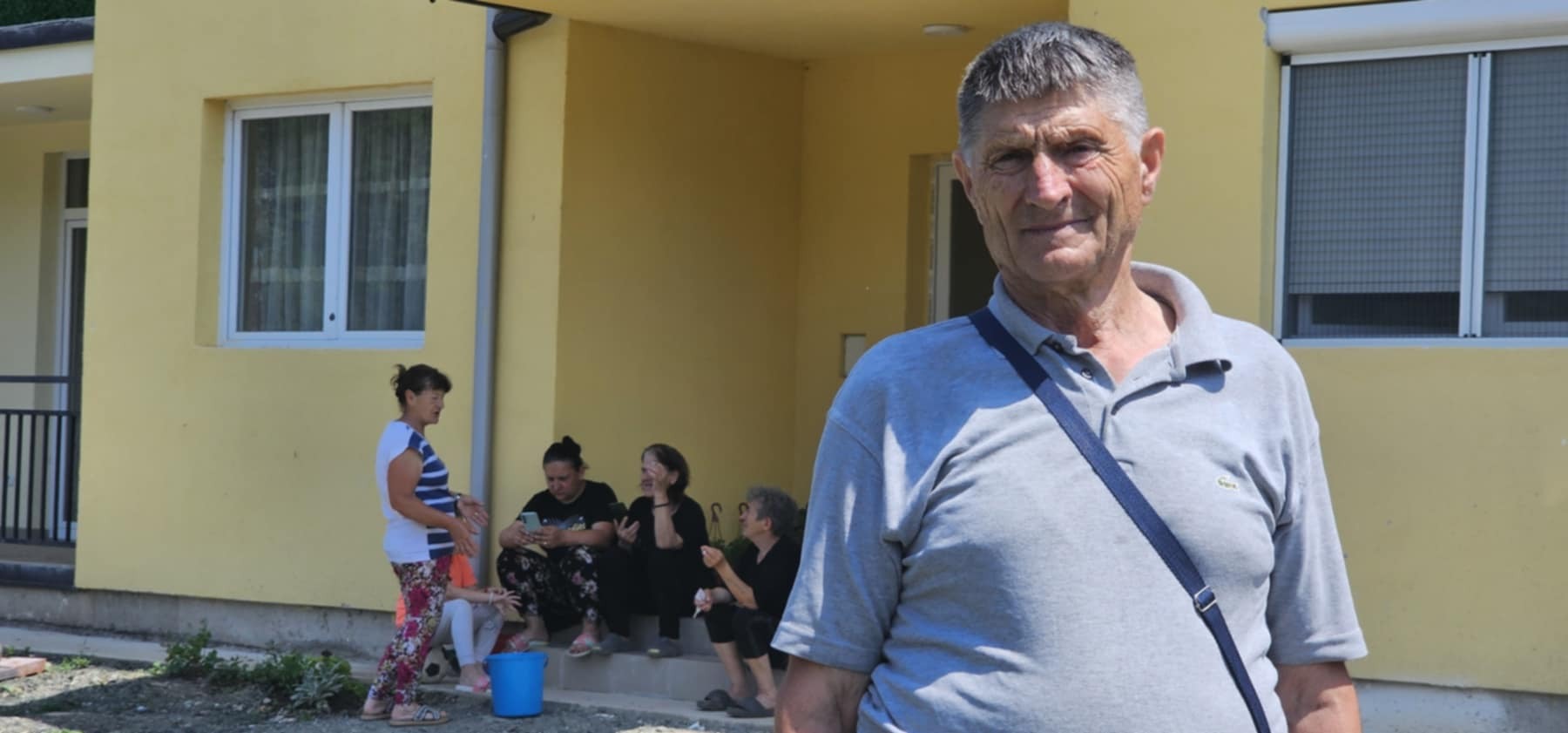
“The building was meant for displaced people from Kosovo,” Tijana told KoSSev.
“My father was assigned an apartment, but he’s still in the collective center because the process isn’t complete. He didn’t want to risk losing both the new apartment and the temporary shelter.”
Tijana denied municipal claims that her father owns other property and said they had already submitted proof to the municipality showing he owns no property in the territory of Kosovo.
They also filed an official complaint, but are still awaiting a response.
Another Family, Same Story
Aleksandra Subotić, originally from Urosevac / Ferizaj, faces a similar situation. She told KoSSev she was warned by Deputy Mayor Marina Bogojević that she must return the keys to her assigned apartment or the municipality would take possession with the help of police. Subotić also denies owning any other property.
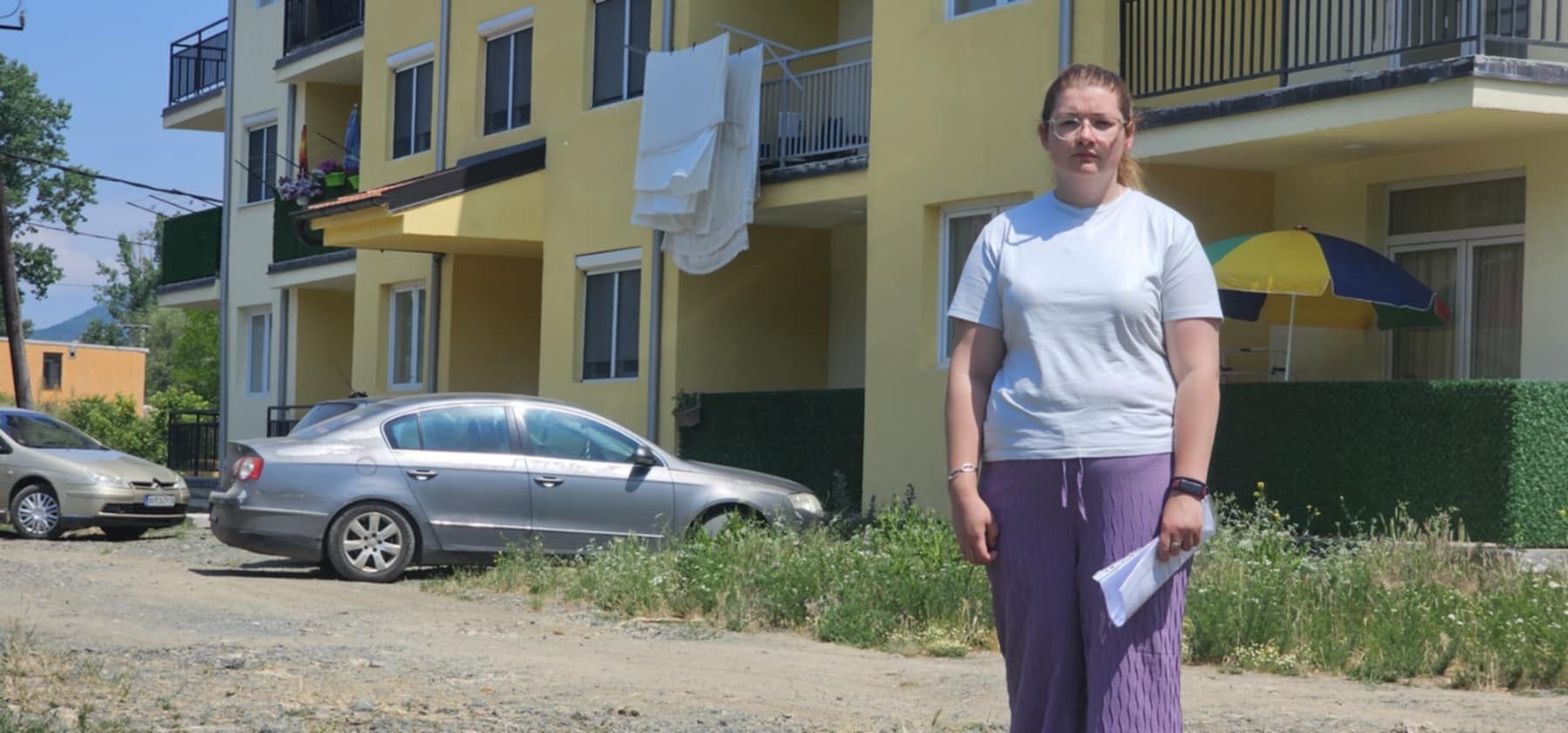
“How can we own property when we had to submit land registry certificates proving we had nothing in order to qualify?” she asked.
Subotić learned about the attempted lock change while she was attending a funeral in Laplje Selo.
“A neighbor called to tell me municipal locksmiths had changed the lock on Slobodan Spasić’s apartment and had started on mine, but didn’t finish. He gave me the number of the municipal employee, whom I reminded we had filed a complaint. I asked him: how can they evict us when we haven’t receive a response to our complaint.”
She and her family continue to live in a collective center while awaiting resolution.
Municipal Response
Deputy Mayor Marina Bogojević insists that the apartment allocation process was conducted “legitimately and transparently,” and that only those who met criteria—such as not owning other property—were selected.
She alleged that some individuals, including Subotić and Spasić, illegally moved into the apartments before the selection process was finalized and that they actually own property elsewhere. For instance, Bogojević claimed Subotić owns a home in Kruševac and two apartments in Kraljevo and Leposavic. Spasić, she said, owns a house in Kraljevo.
The municipality, she said, attempted to avoid forced evictions while verifying eligibility.
“We called on the individuals to leave peacefully. Unfortunately, they refused despite not meeting the criteria,” she said.
However, when asked about pending complaints and why locks were changed before decisions were made, Bogojević said the matter was now under the jurisdiction of Pristina. She abruptly ended the call, citing a meeting.
Who Built the Apartments?
Amid the dispute over apartment allocation, there are conflicting reports over who financed the building’s construction.
While the municipality maintains that the project was carried out with the Danish Refugee Council and UNHCR—with no involvement from Serbia—some residents and former local officials insist otherwise.
Nenad Radosavljević, a former official in the Leposavic municipality, told KoSSev the apartments were funded by the Serbian Government through its Office for Kosovo and Metohija. This was also reported by Serbia’s public broadcaster RTS, which recently covered the lock-changing incident.
In November 2024, the Serbian Commissariat for Refugees reportedly handed over the keys to displaced families—months before the municipality’s formal ceremony in May.
KoSSev has reached out to both the Danish Refugee Council and Serbia’s Office for Kosovo and Metohija to clarify the source of funding. As of publication, neither has responded.
The ownership of several buildings across Leposavic, Lesak, and Socanica—reportedly built with Serbian funds—has long been a point of contention between Serbian and Kosovo institutions.
KoSSev has previously reported on the harsh conditions faced by displaced persons living in collective centers in Leposavic and Zubin Potok. In a 2020 report, residents described living for decades in barracks and makeshift shelters, often without basic infrastructure.
Preuzimanje i objavljivanje tekstova sa portala KoSSev nije dozvoljeno bez navođenja izvora. Hvala na poštovanju etike novinarske profesije.