Three Serbian opposition political initiatives operating in Kosovo have decided not to participate in the snap parliamentary elections scheduled for Sunday, December 28, citing short deadlines, administrative obstacles and what they describe as a pre-restricted electoral process.
The initiatives — the Serbian People’s Movement, Civic Initiative Roots (GI Koreni), and Civic Initiative North for All (GI Sever za sve) — all competed in recent local elections, where they secured seats in municipal assemblies. Despite this, they opted out of the parliamentary race, even after attempting to form a broader opposition bloc together with other political actors.
Representatives of the three groups — Milija Biševac, Ivan Vučković and Marko Jakšić — outlined their reasons and broader political views for KoSSev on Thursday, addressing both the electoral process and the overall position of Serbs in Kosovo.
Fewer Serbian Options on the Ballot
Sunday’s vote marks Kosovo’s second snap parliamentary election this year, following months of institutional deadlock after the February elections. Of the 24 political entities and more than 1,100 parliamentary candidates taking part, only three represent Serbian political options: Srpska Lista, the Kosovo Alliance, and the Civic Initiative for Freedom, Justice and Survival — two fewer than in February.
While the Serbian People’s Movement also ran in October’s local elections, GI Roots and GI North for All entered the political scene for the first time at the local level. Despite winning municipal mandates, all three chose not to contest the parliamentary vote.
“There Was Will, But No Time”
Ivan Vučković, a municipal councilor in Leposavic representing GI Roots, said the decisive factor was the extremely short preparation period.
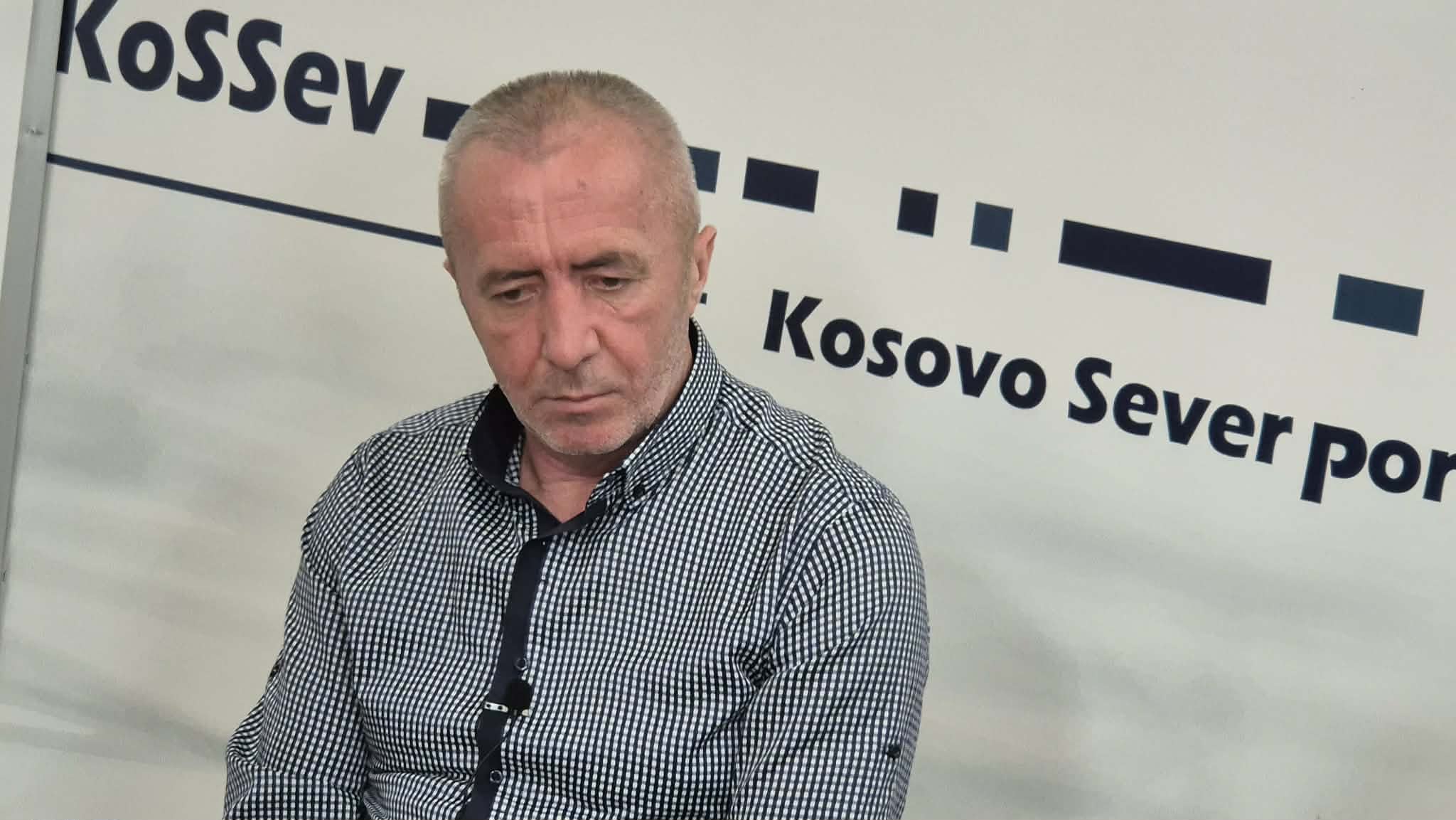
“The deadline was truly short. Despite the energy and efforts we invested to try to enter the process, it became clear that it would be a futile endeavor,” he said.
According to Vučković, conditions were not in place for unification either, although he stressed that future cooperation remains possible. “For now, we will remain active at the local level, but we will support all like-minded and honest people with whom we may one day form a coalition,” he added.
Milija Biševac, a councilor in Zubin Potok from the Serbian People’s Movement, confirmed that talks were held on forming a wider opposition bloc, which he said was the only realistic way to achieve results.
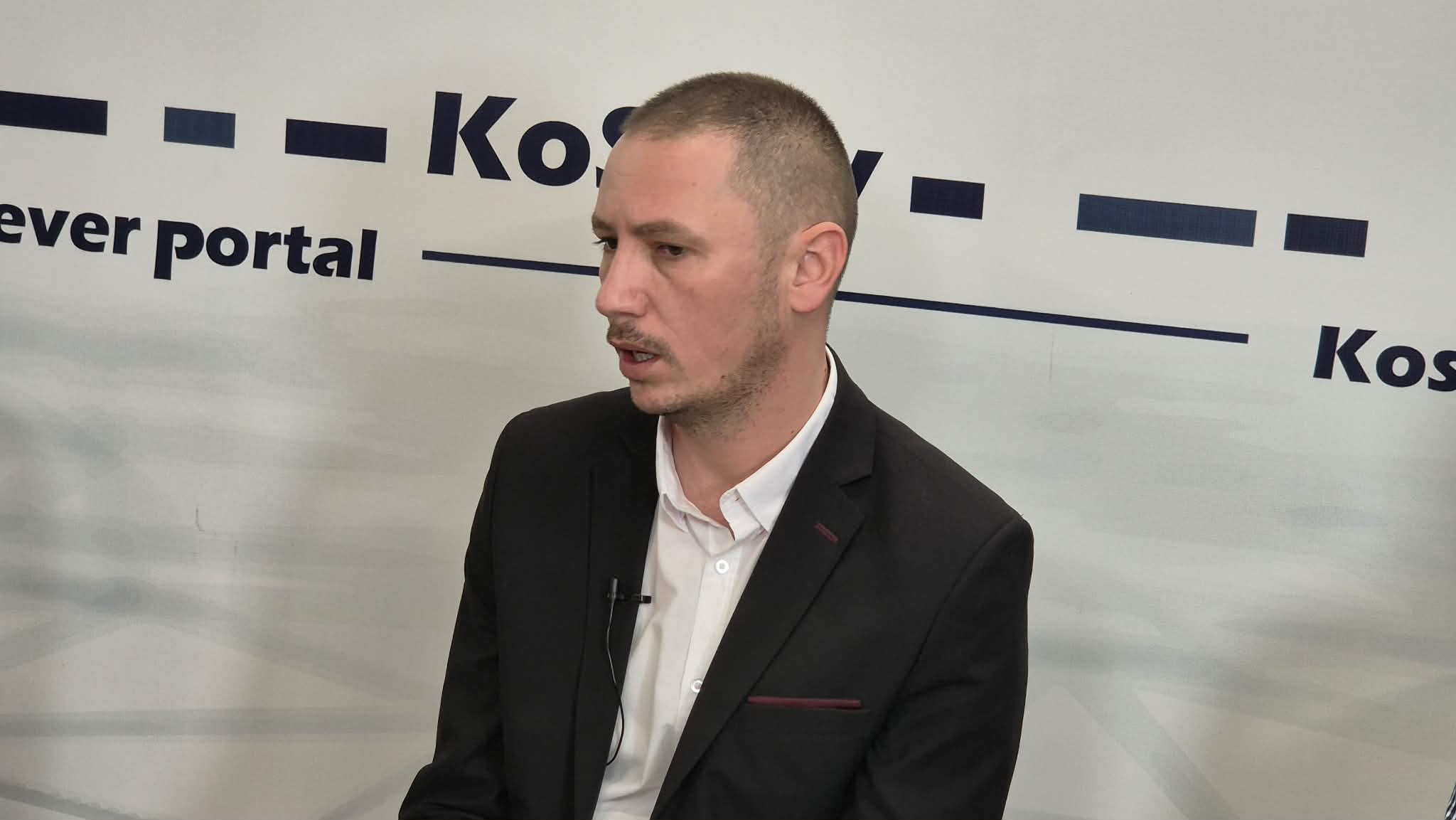
However, he highlighted administrative barriers and noted that a request to the Central Election Commission to extend registration deadlines had been rejected.
“The message from Pristina was clear — these elections were intended primarily for established parliamentary parties,” Biševac said, adding that smaller initiatives lacked the time needed to complete the necessary procedures.
Marko Jakšić, a councilor in North Mitrovica from GI North for All, echoed those concerns, saying his group deliberately avoided pressuring citizens to collect signatures amid ongoing fear. “We had to protect people’s integrity,” he said.

Cooperation Deferred, Not Abandoned
While unification proved impossible under current conditions, the three representatives emphasized shared values and potential future cooperation.
“There is a younger generation, both in the north and the south, that could carry real change,” Vučković said, expressing optimism that collaboration could materialize in future elections.
All three agreed they did not want to run independently, arguing that smaller initiatives stand no realistic chance on their own.
Sharp Criticism of Srpska Lista
The representatives were unanimous in rejecting any cooperation with Srpska Lista, the dominant Serbian party in Kosovo and the only one openly supported by Belgrade.
Biševac criticized Srpska Lista’s 13-year presence in the Kosovo Assembly, questioning its tangible achievements.
“They have been there for years without opening any real issues concerning Serbian rights and interests,” he said, accusing the party of exerting pressure on voters while failing to address everyday problems.
He also argued that Srpska Lista’s withdrawal from local institutions effectively handed power to Albanian mayors and facilitated the closure of Serbian institutions.
Jakšić described Srpska Lista as a product of “Pristina, Belgrade and the international community,” claiming it was created to implement political processes initiated in 2013 and remains useful for external actors.
Cooperation with Srpska Lista, he said, would mean endorsing policies he considers harmful, including the implementation of the Ohrid Agreement, which he warned could further erode the Serbian presence in Kosovo.
Relations with Albanian Parties and Belgrade
Jakšić ruled out cooperation with Prime Minister Albin Kurti’s Self-Determination movement, using harsh language to describe what he views as systemic discrimination against Serbs.
Vučković said the current position of Serbs in Kosovo is the worst he has witnessed, adding that responsibility does not lie solely with Kurti. “With Kurti, at least we know where we stand. What hurts is not knowing where we stand with our own representatives,” he said.
On Belgrade’s role, Vučković acknowledged that Serbs in Kosovo remain dependent on Serbia, particularly in areas such as healthcare, education and salaries. However, he criticized what he described as political division imposed from Belgrade, while expressing hope for future changes.
Jakšić agreed, saying Belgrade has long imposed “uniform thinking” on Kosovo Serbs, while Biševac stressed the importance of ordinary citizens speaking out about their own problems.
Elections as Obligation, Not Choice
Jakšić argued that elections have ceased to be a genuine democratic exercise for most Serbs in Kosovo. “For the majority, voting is an obligation, not a desire for change,” he said, claiming that the last truly democratic local elections took place in 2010.
Biševac disagreed, insisting that campaigning still matters, particularly for marginalized Serbian communities. He urged voters to turn out and vote according to their conscience.
While Biševac confirmed he would cast his ballot on Sunday, both Vučković and Jakšić said they would not participate.
“Choosing between evils, regardless of how they differ, can sometimes be meaningless,” Jakšić concluded. “In this situation, I don’t believe there is a lesser evil.”
Preuzimanje i objavljivanje tekstova sa portala KoSSev nije dozvoljeno bez navođenja izvora. Hvala na poštovanju etike novinarske profesije.